

Fraxel Laser for Acne Scars, Sun Damage & Ageing Skin
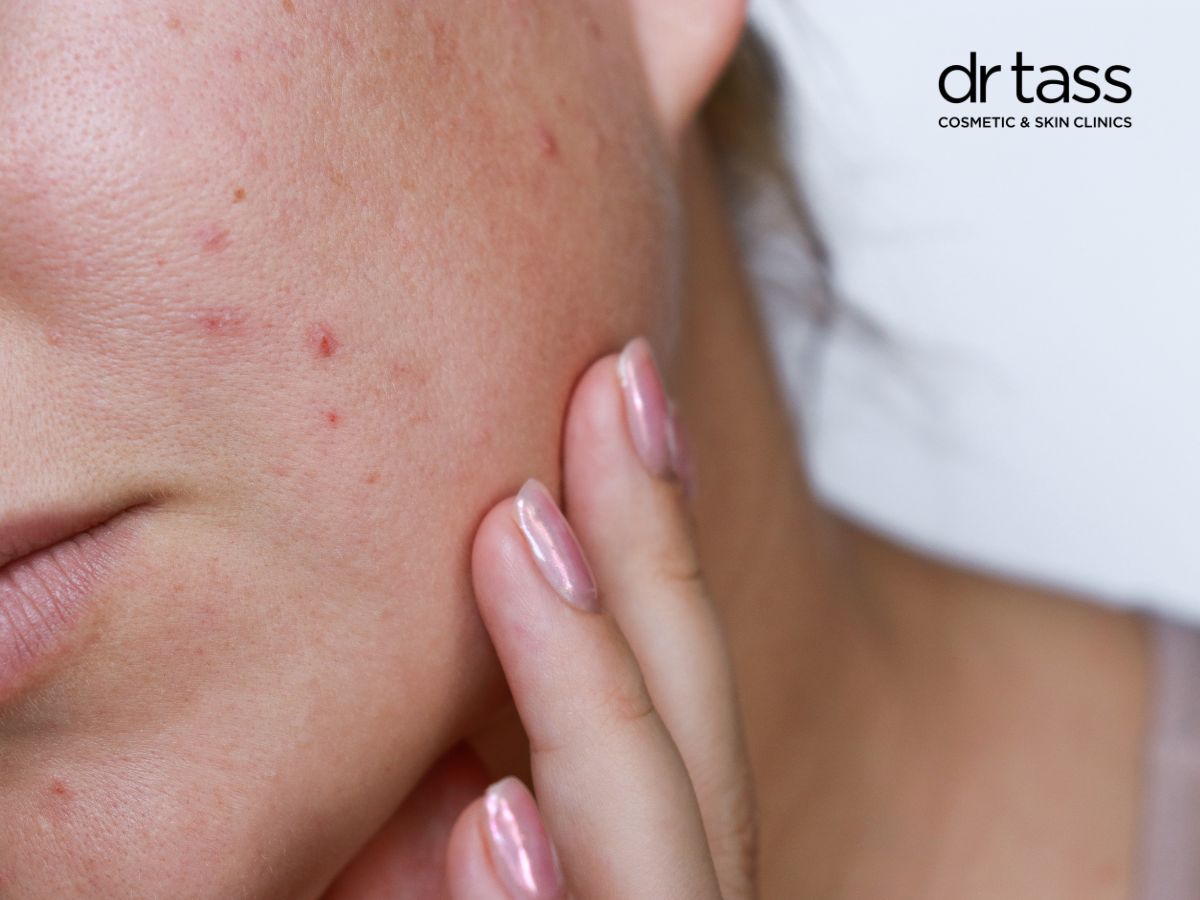
Fraxel laser treatment is a doctor-led, medically guided procedure designed to assist in the clinical management of acne scarring, pigmentation, and early signs of ageing. It is commonly selected for individuals seeking non-surgical options to address uneven skin texture, sun-related discolouration and superficial dermal changes in a structured, regulated setting.
This overview explains how Fraxel laser technology works, what the treatment involves, and what patients may expect during the process.
How Fraxel Laser Works
Fraxel laser technology uses a fractionated laser system to deliver microscopic columns of thermal energy into the skin. This technique creates controlled zones of injury surrounded by healthy tissue, encouraging natural skin repair while limiting downtime. Unlike full-field resurfacing lasers that affect the entire surface layer, Fraxel treats only targeted zones, allowing faster healing and a more manageable recovery experience.
Dual-Wavelength Technology
Most medical-grade Fraxel systems operate with two wavelengths to address different skin concerns:
- 1550 nm wavelength: Penetrates the deeper dermis to support collagen renewal. It is typically used for acne scars, fine lines, and textural irregularities.
- 1927 nm wavelength: Targets more superficial concerns like pigmentation and uneven tone caused by sun exposure. This setting promotes a brighter, more even surface appearance.
Your treating practitioner will determine the most appropriate wavelength, intensity, and treatment settings based on your skin type, history, and treatment goals.
What Fraxel Laser Is Commonly Used For?
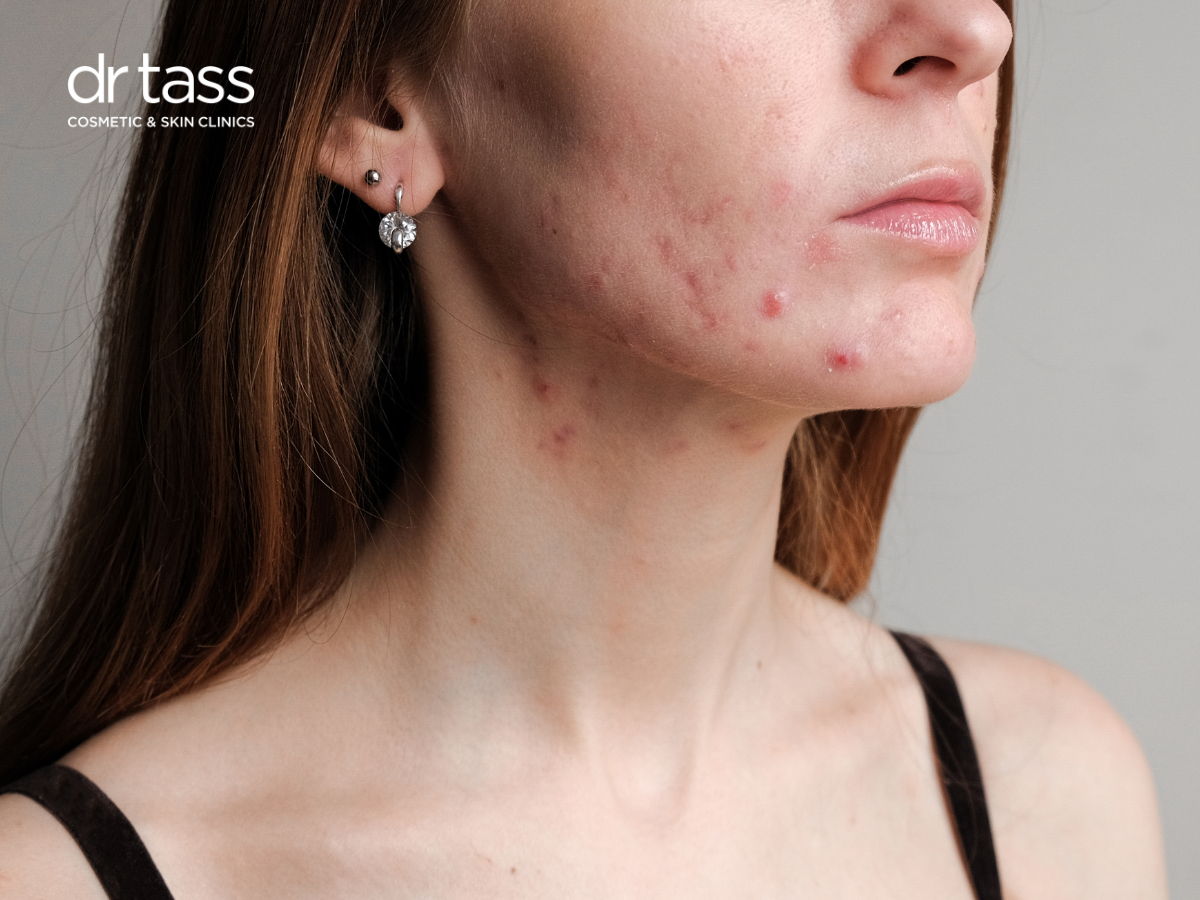
Fraxel may be included in an individualised treatment plan for the following clinical concerns:
- Acne Scarring & Textural Changes: Thermal stimulation supports dermal remodelling, which may assist in improving pitted or uneven skin associated with prior acne.
- Sun-Induced Pigmentation: In climates such as Australia’s, UV-related changes are common. Fraxel may assist in reducing visible pigment changes such as age spots or mottled discolouration.
- Early Signs of Ageing: The procedure supports dermal collagen and epidermal clarity, which may soften fine lines and enhance skin tone over time.
It is important to note that results differ between individuals, depending on the treatment parameters, baseline skin condition, and adherence to aftercare.
The Treatment Process
1. Initial Consultation
Before proceeding, a comprehensive consultation is required. This is a vital part of the consent process and helps ensure suitability for treatment. During this appointment, your practitioner will:
- Assess your skin condition and relevant medical history
- Discuss realistic outcomes and treatment alternatives
- Explain potential risks, downtime, and aftercare
- Recommend a tailored treatment plan and session frequency
Patients are encouraged to ask questions and ensure they understand all aspects of the proposed procedure.
2. During the Procedure
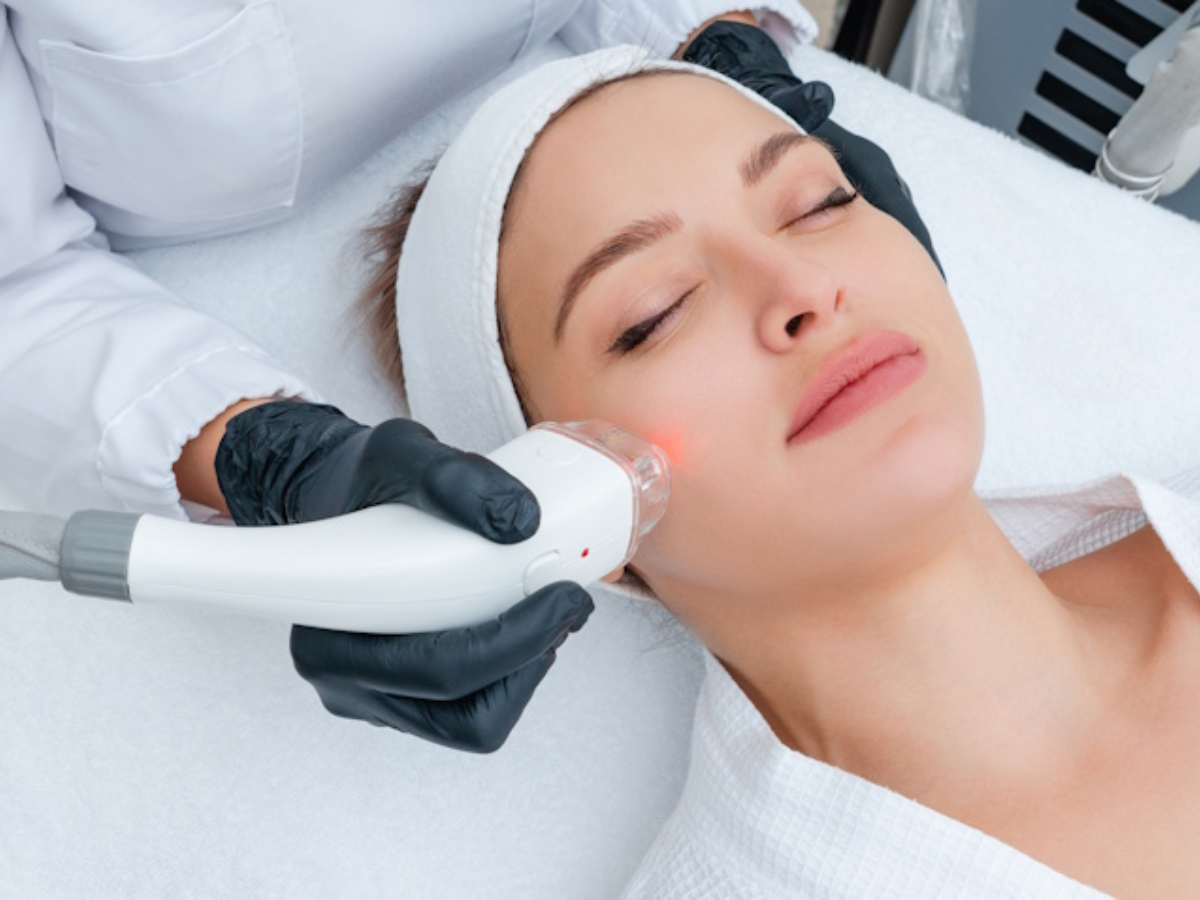
A typical Fraxel session lasts between 30 and 45 minutes, depending on the size of the treatment area. The process generally includes:
- Application of topical anaesthetic to minimise discomfort
- Methodical movement of the laser handpiece across the skin
- Use of integrated cooling systems to support comfort
- A warm or prickling sensation, described by most patients as tolerable
The practitioner remains present throughout the procedure to monitor skin response and adjust technique as needed.
3. Recovery and Aftercare
Healing time varies depending on treatment strength and individual skin response. Common temporary effects include:
- Redness and swelling for up to several days
- A bronze or slightly dry texture as the skin exfoliates
- Mild peeling or flaking during the week following treatment
Sun protection is critical during recovery. Your practitioner will provide detailed skincare instructions, including what to avoid (e.g., heat exposure, certain active ingredients) and how to care for the skin during the healing phase.
Treatment Timeline and Maintenance
Results from Fraxel laser treatment are not immediate. Most patients begin to observe gradual changes within 6–12 weeks as collagen remodelling progresses. A typical treatment plan includes 3 to 5 sessions, spaced at least 4 weeks apart. Some patients may opt for maintenance treatments, depending on their skin goals and clinical recommendation.
Clinical Standards and Safety
Fraxel laser is classified as a higher-risk non-surgical cosmetic procedure due to its use of energy-based devices and controlled tissue injury. Treatments should only be performed by appropriately qualified health practitioners with training in laser–skin interaction, patient assessment, and complication management.
Practitioner responsibilities include:
- Ensuring suitability through detailed assessment
- Discussing realistic expectations and risks
- Practising infection control and safe laser use
- Providing clear aftercare guidance
Choosing a licensed clinic helps ensure your care is delivered within a safe and medically appropriate framework.
Why Qualifications Matter
Using a laser device on the skin requires more than technical skill; it also demands clinical knowledge of how heat, wavelength, and tissue type interact. A qualified cosmetic doctor can assess your skin’s needs, adjust parameters safely, and manage both immediate and longer-term effects of treatment. Proper training helps reduce the risk of adverse outcomes and supports optimal skin recovery.
Final Thoughts
Fraxel laser treatment is a clinically supported option for patients seeking structured improvement in skin quality. It does not promise instant or dramatic changes, but rather supports gradual, biologically guided refinement. When performed within a doctor-led clinic, it offers a regulated and ethical pathway to improved texture and tone.
If you would like to understand whether this treatment is suitable for your skin, you are welcome to arrange a personalised consultation with our medically trained team. We will guide you through the potential benefits, considerations, and expected treatment process so you can make an informed decision. Contact us today.
Frequently Asked Questions About Ultherapy
What is Fraxel good for?
Fraxel is used to address pigmentation, uneven skin tone, acne scarring and early signs of ageing. It encourages renewal by stimulating collagen and supporting epidermal turnover.
Is Fraxel better than CO₂ lasers?
These technologies serve different purposes. CO₂ lasers are more aggressive and generally used for deeper resurfacing, while Fraxel allows a staged, lower-downtime approach. Your practitioner will guide you on which is best suited to your skin and goals.
What does Fraxel cost?
Pricing varies based on area treated, number of sessions required and clinic location. Fees are discussed after your consultation to ensure clarity and appropriateness for your treatment plan.
Who is suitable for Fraxel?
Suitability depends on skin type, medical history, prior treatments and adherence to aftercare. A thorough consultation determines eligibility and ensures treatment is aligned with your skin’s needs.
Are there any downsides?
Fraxel involves downtime, including redness, peeling and temporary swelling. While risks are low when performed correctly, your practitioner will outline potential complications and provide strategies for safe recovery.
Essential Skincare Ingredients: What Your Skin Actually Needs
Essential Skincare Ingredients: What Your Skin Actually Needs Skincare ingredients are the foundation of any effective...

Melbourne UV Levels Explained: What It Means For Your Skin
Melbourne UV Levels Explained: What It Means For Your Skin Melbourne UV levels fluctuate throughout the year, often...
LED Healite II: Supporting Skin Recovery and Comfort
Healite II LED Therapy: Supporting Skin Healing and Repair LED Healite II: Supporting Skin Recovery and Comfort As...