

Essential Skincare Ingredients: What Your Skin Actually Needs
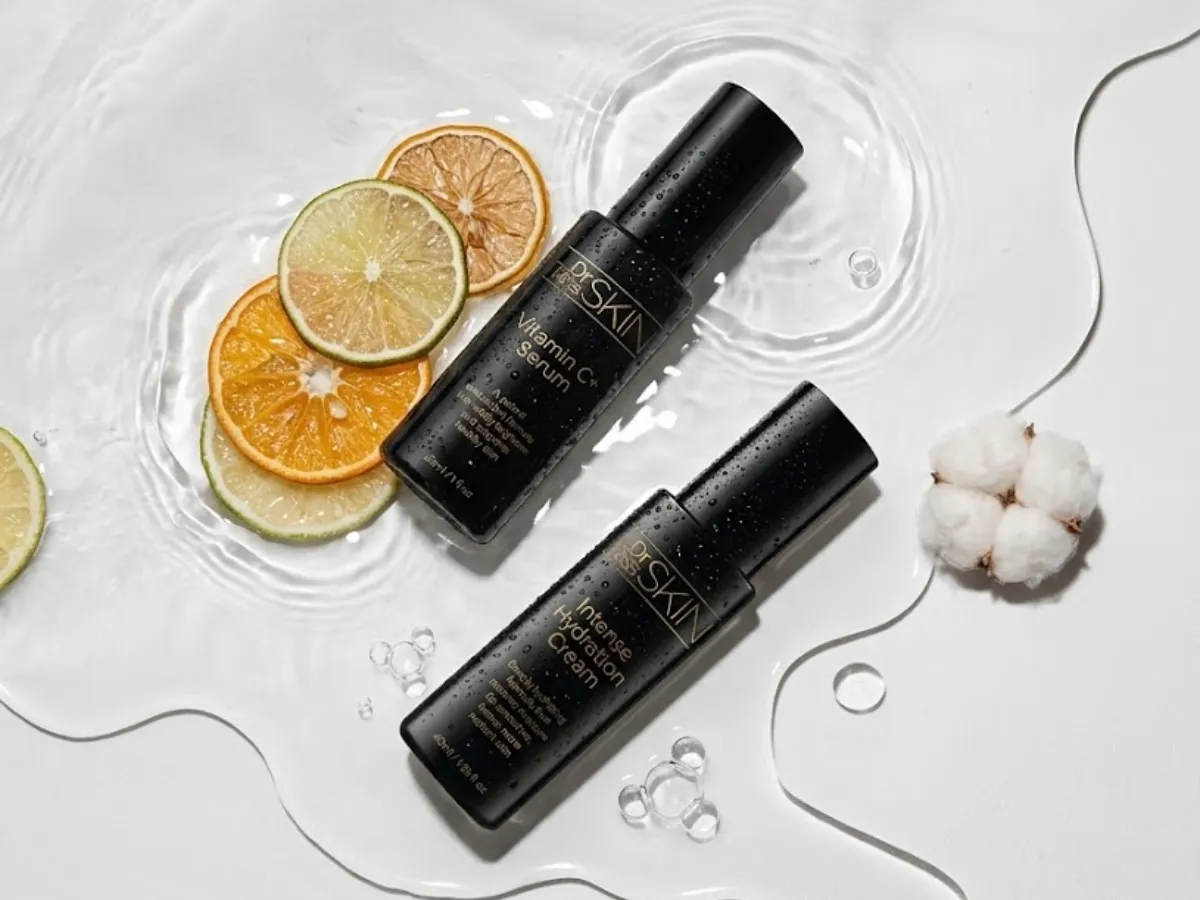
Skincare ingredients are the foundation of any effective routine, shaping how products interact with the skin and influence long-term skin health. Understanding skincare ingredients allows you to make informed, confident choices, ensuring each product supports your individual concerns with clarity and purpose.
As skincare continues to evolve, a clear understanding of ingredients supports more precise and personalised decision-making. This guide explores the most important skincare ingredients, how they function, and how to incorporate them thoughtfully into a balanced, medically guided routine.
Why Skincare Ingredients Matter in Your Routine
The effectiveness of any skincare product is determined not by its branding or texture, but by its formulation. Skincare ingredients define how a product performs, how deeply it penetrates, and how it interacts with your skin barrier.
Understanding Ingredient Functionality
Each ingredient plays a distinct role. Some hydrate, others exfoliate, while certain actives target pigmentation, fine lines, or congestion. Recognising these functions helps you align your skincare with your goals rather than relying on guesswork.
Active vs Supporting Ingredients
Active ingredients are responsible for delivering visible changes, such as improving skin tone or texture. Supporting ingredients, including emollients and stabilisers, enhance comfort, absorption, and product stability.
The Importance of Formulation Balance
A well-formulated product balances potency with tolerance. Overuse of strong actives without adequate barrier support can lead to irritation or sensitivity. A personalised, evidence-based approach ensures results without compromising skin integrity.
Essential Skincare Ingredients for Healthy Skin
Skincare ingredients that support hydration, protection, and renewal form the cornerstone of a resilient, balanced complexion.
Hyaluronic Acid for Hydration
Hyaluronic acid is a humectant that draws water into the skin, helping maintain hydration levels and a smooth appearance. It supports the skin barrier and enhances the absorption of other ingredients when used correctly.
Vitamin C for Brightening
Vitamin C is widely recognised for its antioxidant properties. It helps protect against environmental stressors while supporting a more even skin tone. Consistent use can contribute to improved clarity and luminosity.
Niacinamide for Barrier Support
Niacinamide, a form of vitamin B3, is valued for its versatility. It assists in regulating oil production, refining the appearance of pores, and strengthening the skin barrier, making it suitable for a broad range of skin types.
Ceramides for Skin Repair
Ceramides are naturally occurring lipids that reinforce the skin’s protective barrier. They help prevent moisture loss and support recovery, particularly in dry or sensitised skin.
Advanced Skincare Ingredients and Their Benefits
As skincare evolves, advanced skincare ingredients offer more targeted approaches to common concerns, particularly when guided by professional assessment.
Retinoids for Skin Renewal
Retinoids are derivatives of vitamin A that support cellular turnover. They are commonly used to address uneven texture and visible signs of ageing. Due to their potency, they should be introduced gradually and used under appropriate guidance.
Alpha Hydroxy Acids (AHAs) for Exfoliation
AHAs, such as glycolic and lactic acid, exfoliate the skin’s surface, helping to improve tone and texture. They can enhance radiance when used in controlled concentrations.
Beta Hydroxy Acids (BHAs) for Congestion
BHAs, particularly salicylic acid, penetrate deeper into pores, making them suitable for managing congestion and excess oil. They are often included in routines targeting blemish-prone skin.
Peptides for Skin Firmness
Peptides are short chains of amino acids that support the skin’s structural proteins. They are commonly incorporated into formulations aimed at maintaining firmness and elasticity.
How to Choose the Right Skincare Ingredients
Selecting skincare ingredients should be guided by your skin type, concerns, and tolerance levels rather than trends or marketing claims alone.
Identifying Your Skin Type
Understanding whether your skin is dry, oily, combination, or sensitive provides a foundation for selecting appropriate ingredients. For example, barrier-supporting ingredients are particularly beneficial for dry or reactive skin.
Matching Ingredients to Skin Concerns
Targeted ingredient selection improves efficiency. Pigmentation concerns may benefit from antioxidants, while congestion may require exfoliating acids. A tailored approach ensures your routine remains purposeful and effective.
Avoiding Ingredient Conflicts
Certain combinations, such as multiple strong actives used simultaneously, can increase the risk of irritation. Spacing or alternating ingredients supports skin tolerance and maintains balance.
Incorporating Skincare Ingredients Safely
Thoughtful integration of skincare ingredients ensures both efficacy and skin comfort, particularly when introducing active formulations.
Patch Testing New Products
Before full application, patch testing helps assess how your skin responds to new ingredients. This simple step can reduce the likelihood of adverse reactions.
Building a Consistent Routine
Consistency is essential. Introducing one new product at a time allows you to monitor results and identify what works best for your skin.
When to Seek Professional Guidance
For complex concerns or when considering advanced formulations, a consultation with a qualified cosmetic practitioner can provide clarity. Personalised advice ensures your routine is aligned with your skin’s needs and long-term health.
Conclusion: Building Confidence Through Skincare Ingredients
Understanding skincare ingredients transforms your routine from a collection of products into a considered, results-driven approach to skin health. From foundational hydrators to advanced actives, each ingredient plays a role in supporting a balanced and refined complexion.
Importantly, skincare should remain realistic, informed, and tailored. Ethical, patient-focused care emphasises transparency, balanced information, and appropriate expectations, ensuring individuals can make confident decisions about their skin.
If you are looking to refine your skincare routine or address specific concerns, consider seeking personalised guidance through a professional skin consultation at Dr Tass cosmetic clinics in Melbourne. A tailored treatment plan can help you navigate skincare ingredients with precision, ensuring each step supports your skin’s long-term integrity and appearance.
Frequently Asked Questions
What skincare ingredients do I need?
The skincare ingredients you need depend on your skin type and concerns. Most routines benefit from a balance of hydration (such as hyaluronic acid), barrier support (like ceramides), and targeted actives for concerns such as pigmentation or congestion.
What are common ingredients in skincare?
Common skincare ingredients include hyaluronic acid, niacinamide, vitamin C, retinoids, and exfoliating acids. These are widely used due to their ability to support hydration, improve skin tone, and promote healthy skin function.
Which skincare ingredients should not be mixed?
Some skincare ingredients can increase skin sensitivity when combined, particularly strong actives like retinoids and exfoliating acids. It is often best to alternate these ingredients or seek professional guidance to ensure your routine remains balanced and well-tolerated.

Melbourne UV Levels Explained: What It Means For Your Skin
Melbourne UV Levels Explained: What It Means For Your Skin Melbourne UV levels fluctuate throughout the year, often...

LED Healite II: Supporting Skin Recovery and Comfort
Healite II LED Therapy: Supporting Skin Healing and Repair LED Healite II: Supporting Skin Recovery and Comfort As...

Fraxel Laser for Acne Scars, Sun Damage & Ageing Skin
Fraxel Laser for Acne Scars, Sun Damage & Ageing Skin Fraxel laser treatment is a doctor-led, medically guided...