

Melbourne UV Levels Explained: What It Means For Your Skin
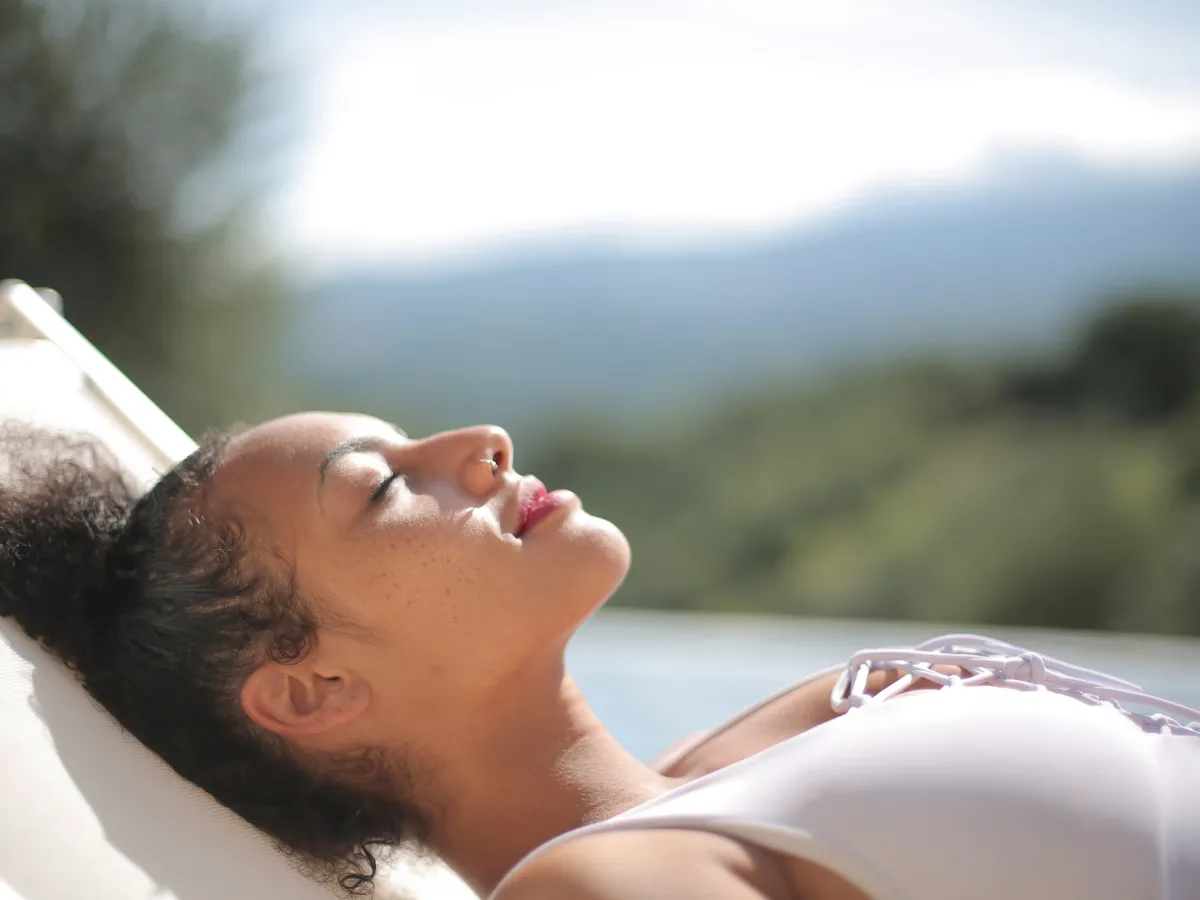
Melbourne UV levels fluctuate throughout the year, often reaching high or very high ranges even when temperatures feel mild. For many Australians, this can be surprising. In a city known for “four seasons in one day,” ultraviolet radiation does not always align with how warm or sunny it feels.
Understanding UV levels in Melbourne is essential for maintaining skin health, preventing premature ageing, and reducing long-term risks such as pigmentation and skin cancer. In this guide, we explain how UV is measured, what it means for your skin, and how to protect yourself effectively in Melbourne’s unique climate.
Understanding Melbourne UV Levels and the UV Index
Melbourne UV levels are measured using the UV Index, a standardised scale that indicates the strength of ultraviolet radiation at a given time and place. In Australia, the UV Index often reaches levels significantly higher than in Europe or North America due to our geographic location and atmospheric conditions.
What Is the UV Index?
The UV Index ranges from low to extreme and reflects the intensity of ultraviolet radiation reaching the earth’s surface.
- 0–2: Low
- 3–5: Moderate
- 6–7: High
- 8–10: Very High
- 11+: Extreme
In Melbourne, UV levels of 3 or above can occur even on cooler or overcast days. When the index is 3 or higher, sun protection is recommended.
Why Melbourne UV Levels Can Be High Even in Mild Weather
Temperature and UV radiation are not directly linked. You can experience significant UV exposure on a 20-degree day with cloud cover.
Several factors influence UV levels in Melbourne:
- Australia’s proximity to the equator compared to Europe
- A thinner ozone layer in the Southern Hemisphere
- Reflective surfaces such as sand, water and concrete
- Seasonal variations, particularly in late spring and summer
This means your skin can sustain damage even when you do not feel hot.
Seasonal Patterns in Melbourne
While Melbourne UV levels peak in summer, they remain moderate to high during spring and early autumn. In winter, UV levels are lower but can still exceed 3 during the middle of the day.
For individuals undergoing skin treatments or using active skincare ingredients, year-round UV awareness is important.
Daily UV Timing: When Is Risk Highest?
UV radiation is typically strongest between 10am and 3pm, although this window can extend in summer. Monitoring daily forecasts through reputable Australian weather services helps guide protective decisions.
How Melbourne UV Levels Affect Your Skin
Ultraviolet radiation penetrates the skin and triggers both immediate and cumulative effects. Understanding these biological responses allows you to make informed choices about prevention and treatment.
Short-Term Effects: Sunburn and Inflammation
Excessive UV exposure can cause erythema, commonly known as sunburn. This inflammatory response damages skin cells and increases long-term risk of malignancy.
Even mild redness represents DNA damage at a cellular level.
Long-Term Effects: Premature Ageing
Chronic exposure to Melbourne UV levels contributes to:
- Fine lines and wrinkles
- Loss of elasticity
- Uneven pigmentation
- Broken capillaries
- Textural irregularities
This process, known as photoageing, accelerates collagen degradation and alters skin architecture over time.
Hyperpigmentation and UV Exposure
Conditions such as melasma and post-inflammatory hyperpigmentation are particularly sensitive to UV radiation. Even incidental daily exposure, such as walking to your car or sitting near a window, can trigger pigment activity.
Skin Cancer Risk in Australia
Australia has one of the highest rates of skin cancer globally. Cumulative exposure to high Melbourne UV levels plays a significant role in the development of both melanoma and non-melanoma skin cancers.
Regular skin checks and proactive protection are essential components of long-term skin health.
Protecting Your Skin in Melbourne’s UV Climate
Protective strategies should be tailored to lifestyle, skin type and any current treatments.
Daily Broad-Spectrum Sunscreen
A broad-spectrum SPF 50+ sunscreen protects against both UVA and UVB radiation. Application should be generous and reapplied every two hours when outdoors.
For individuals undergoing cosmetic or dermatological procedures, diligent sunscreen use is particularly important to reduce complications such as post-treatment pigmentation.
Protective Clothing and Accessories
Wide-brimmed hats, sunglasses and tightly woven fabrics significantly reduce exposure. Seeking shade during peak UV periods further lowers risk.
Skincare That Supports Barrier Health
Antioxidants such as vitamin C may help neutralise free radicals generated by UV exposure. However, these products complement, rather than replace, sunscreen.
Professional Skin Assessments
If you notice new or changing lesions, persistent pigmentation, or signs of accelerated ageing, a clinical skin assessment can provide personalised guidance. Doctor-led consultations allow for tailored prevention strategies aligned with your skin’s needs.
Melbourne UV Levels and Aesthetic Treatments
For individuals considering or undergoing aesthetic treatments, awareness of Melbourne UV levels is particularly important.
Pre- and Post-Treatment Sun Precautions
Many procedures temporarily increase photosensitivity. Excess UV exposure during healing may result in:
- Prolonged redness
- Pigmentary changes
- Suboptimal results
Your practitioner will provide individualised aftercare instructions to support safe recovery.
Managing Pigmentation Concerns
Pigmentation treatments require consistent UV avoidance to maintain results. Without adequate protection, recurrence is common.
Laser and Energy-Based Procedures
Laser and light-based treatments rely on precise targeting of skin structures. Recent sun exposure may increase the risk of complications. A comprehensive consultation assesses timing and suitability.
Ongoing Skin Health Planning
Long-term skin quality is best maintained through preventative care. Understanding Melbourne UV levels forms part of a holistic skin strategy that includes medical oversight, evidence-based treatments and daily protection.
Why UV Awareness Is a Year-Round Commitment
It is a common misconception that sun protection is only necessary in summer. In reality, Melbourne UV levels frequently exceed safe thresholds for much of the year.
Consistent daily protection supports:
- Slower visible ageing
- More stable pigmentation outcomes
- Reduced cumulative DNA damage
- Healthier long-term skin integrity
Incorporating UV awareness into your routine is one of the most effective investments you can make in your skin’s future.
What Melbourne UV Levels Mean for You
Melbourne UV levels are often higher than many people expect, even on cool or cloudy days. Understanding how ultraviolet radiation affects your skin empowers you to take preventative action.
From daily sunscreen use to thoughtful timing of outdoor activities and medically guided skin assessments, informed decisions can significantly influence long-term outcomes.
If you would like personalised advice on protecting your skin or managing UV-related concerns, we invite you to arrange a consultation with our doctor-led team. A tailored treatment and prevention plan can help you maintain healthy, resilient skin in Melbourne’s unique climate.
Frequently Asked Questions
Is UV high in Melbourne?
Yes, UV can be high in Melbourne, particularly from late spring through early autumn. Even on mild or cloudy days, the UV Index often reaches 3 or above, which is strong enough to cause skin damage without protection.
Can you tan in 2.5 UV?
At a UV Index of 2.5, the risk of skin damage is lower but still present with prolonged exposure. Some individuals with very fair skin may experience mild tanning or redness over time, although it generally takes longer than at higher UV levels.
Does Australia have the highest UV in the world?
Australia is among the countries with the highest UV levels globally, due to its geographic location and atmospheric conditions. During summer, many regions regularly record very high to extreme UV Index levels.
Is UV Index 4 enough to tan?
Yes, a UV Index of 4 is moderate and can lead to tanning with sufficient exposure. However, it can also cause skin damage, particularly in lighter skin types, so sun protection is recommended when the index is 3 or above.
Essential Skincare Ingredients: What Your Skin Actually Needs
Essential Skincare Ingredients: What Your Skin Actually Needs Skincare ingredients are the foundation of any effective...
LED Healite II: Supporting Skin Recovery and Comfort
Healite II LED Therapy: Supporting Skin Healing and Repair LED Healite II: Supporting Skin Recovery and Comfort As...
Fraxel Laser for Acne Scars, Sun Damage & Ageing Skin
Fraxel Laser for Acne Scars, Sun Damage & Ageing Skin Fraxel laser treatment is a doctor-led, medically guided...