
What causes pigmentation is one of the most common questions in skin health, particularly among individuals noticing dark spots, uneven tone, or patches that seem resistant to standard skincare. Pigmentation is a natural biological process, yet when it becomes uneven or excessive, it can affect both appearance and confidence. Understanding the underlying causes is essential for making informed decisions about prevention and management.
Globally, pigmentation concerns are widespread. Studies suggest that up to 90% of visible skin ageing is linked to sun exposure, while conditions such as melasma affect approximately 1 in 3 women at some stage in their lives. These figures highlight how both environmental and internal factors play a role in pigment formation.
This guide explores the science behind pigmentation, the key triggers, and how these factors interact with your skin over time.
What Causes Pigmentation in the Skin?
To understand what causes pigmentation, it helps to first look at how skin colour is produced. Pigmentation is primarily determined by melanin, a pigment created by specialised cells called melanocytes.
How Melanin Production Works
Melanin acts as the skin’s natural defence mechanism. When exposed to triggers such as UV radiation, melanocytes produce more melanin to protect deeper skin layers from damage. This process is known as melanogenesis.
There are two main types of melanin:
- Eumelanin, responsible for brown to black tones
- Pheomelanin, responsible for red and yellow tones
An imbalance or overproduction of melanin can result in visible pigmentation.
The Role of Melanocytes
Melanocytes are distributed evenly across the skin, but their activity can vary. When these cells become overstimulated or irregular in function, pigmentation may appear in patches or spots rather than evenly.
Why Pigmentation Becomes Uneven
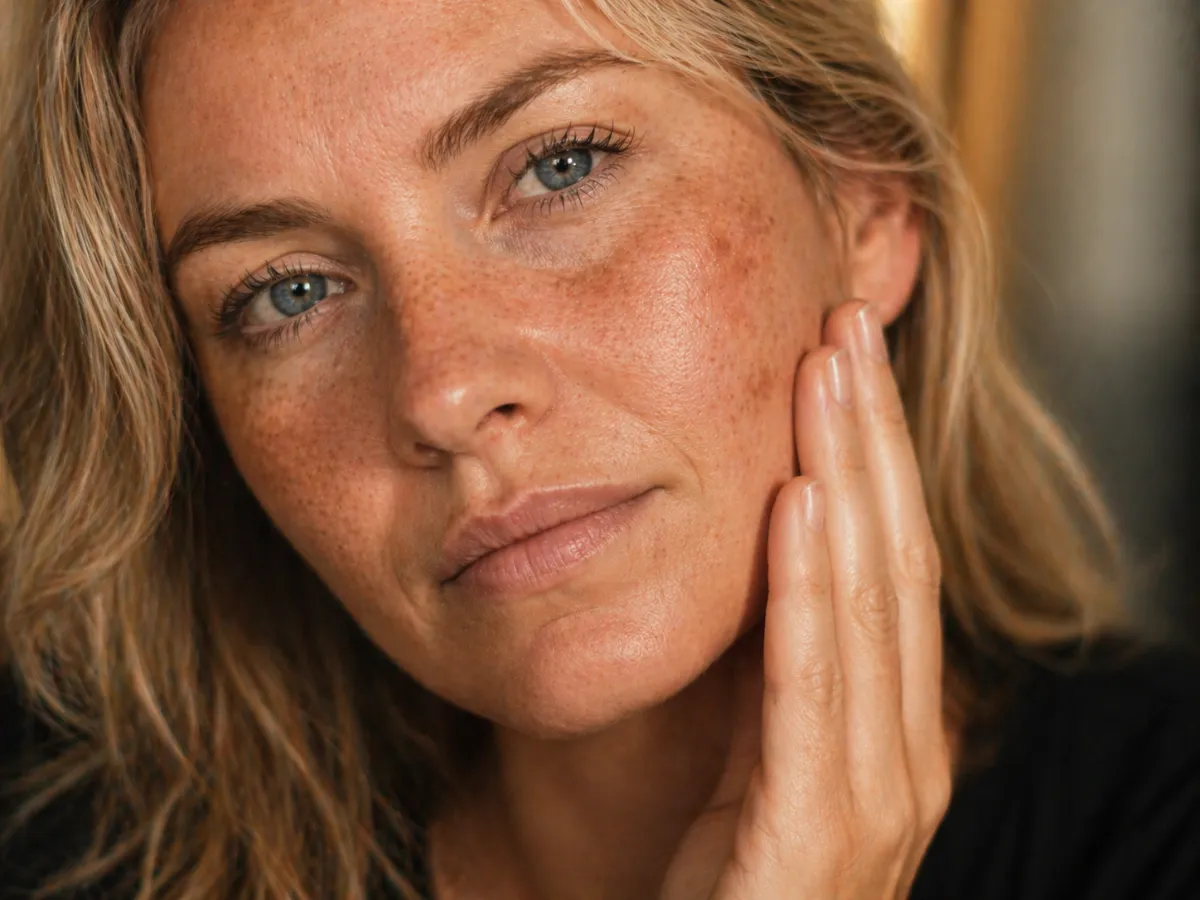
Uneven pigmentation often occurs when melanin is produced in excess or deposited irregularly. This can be triggered by inflammation, hormonal changes, or environmental exposure, leading to conditions such as hyperpigmentation or melasma.
Common External Causes of Pigmentation
External factors are among the most influential contributors when examining what causes pigmentation. These are often cumulative, meaning their effects build over time.
Sun Exposure and UV Radiation
Ultraviolet (UV) exposure is the leading cause of pigmentation. When the skin is exposed to sunlight:
- Melanin production increases as a protective response
- Repeated exposure leads to persistent darkening or sunspots
Research indicates that UV exposure accounts for up to 80–90% of visible pigmentation changes associated with ageing. Even brief daily exposure without protection can contribute significantly over time.
Pollution and Environmental Stressors
Airborne pollutants, including particulate matter and toxins, can trigger oxidative stress in the skin. This stress stimulates melanocytes, contributing to uneven pigmentation.
Urban populations have been shown to experience higher rates of pigmentation irregularities, particularly in areas with elevated pollution levels.
Skin Injury and Inflammation
Any form of skin trauma can lead to post-inflammatory hyperpigmentation (PIH). Common triggers include:
- Acne breakouts
- Cuts or abrasions
- Cosmetic procedures without proper aftercare
Following inflammation, the skin may produce excess melanin as part of the healing process, resulting in darkened areas.
Internal Factors That Influence Pigmentation
While external triggers are significant, internal factors are equally important when considering what causes pigmentation.
Hormonal Changes and Melasma
Hormonal fluctuations can directly affect melanocyte activity. This is particularly evident in melasma, a condition characterised by symmetrical patches of pigmentation, often on the face.
Triggers may include:
- Pregnancy
- Oral contraceptives
- Hormonal therapies
Melasma affects an estimated 15–50% of pregnant women, demonstrating the strong link between hormones and pigmentation.
Genetics and Skin Type
Genetics play a foundational role in determining how your skin responds to triggers. Individuals with darker skin types (Fitzpatrick IV–VI) have more active melanocytes, making them more prone to pigmentation.
Family history can also influence:
- Susceptibility to melasma
- Tendency to develop post-inflammatory pigmentation
Ageing and Cellular Changes
As the skin ages, cellular turnover slows down. This means:
- Pigmented cells are shed less efficiently
- Existing pigmentation may become more pronounced
Age-related pigmentation, often referred to as “age spots,” typically appears after the age of 40 and is closely linked to cumulative sun exposure.
Types of Pigmentation and Their Causes
Understanding the different types of pigmentation can clarify what causes pigmentation in specific cases.
Hyperpigmentation
This broad category refers to areas of skin that become darker than the surrounding tone due to excess melanin production. It may be caused by:
- Sun exposure
- Inflammation
- Hormonal influences
Melasma
Melasma is a chronic condition influenced primarily by hormones and UV exposure. It often presents as:
- Symmetrical patches on the cheeks, forehead, or upper lip
- Persistent pigmentation that may fluctuate over time
Post-Inflammatory Hyperpigmentation (PIH)
PIH occurs after skin injury or inflammation. It is particularly common in individuals with medium to darker skin tones and can persist for months if not managed appropriately.
Sunspots (Solar Lentigines)
These are localised areas of pigmentation caused by prolonged UV exposure. They are more common in individuals over 40 but can appear earlier with significant sun exposure.
Lifestyle and Skincare Factors That Contribute
Daily habits and skincare choices can significantly influence what causes pigmentation and how it progresses.
Over-Exfoliation or Harsh Products
Excessive use of active ingredients can compromise the skin barrier, leading to irritation and inflammation. This, in turn, may trigger pigmentation.
Signs of over-exfoliation include:
- Redness or sensitivity
- Increased breakouts
- Uneven skin tone
Inadequate Sun Protection
Failure to use daily sun protection is one of the most preventable causes of pigmentation. Even indoor exposure to UV rays through windows can contribute.
Dermatological studies show that consistent sunscreen use can reduce pigmentation recurrence by up to 50% or more.
Professional Approaches to Managing Pigmentation
In cases where pigmentation becomes persistent or more deeply embedded within the skin, professional assessment may be considered.
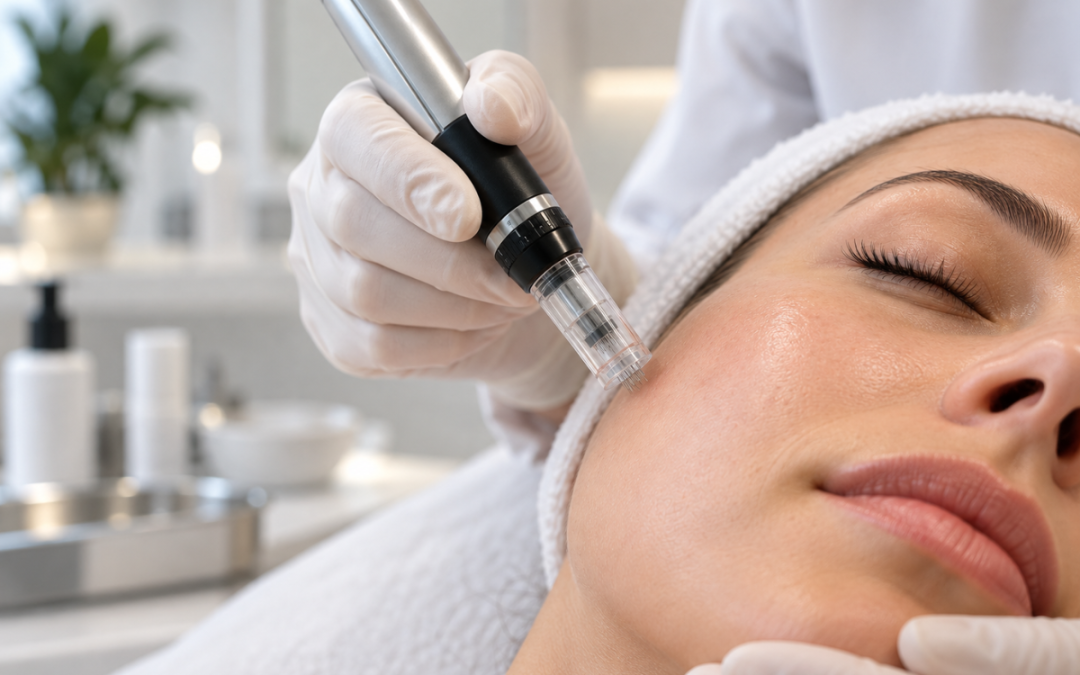
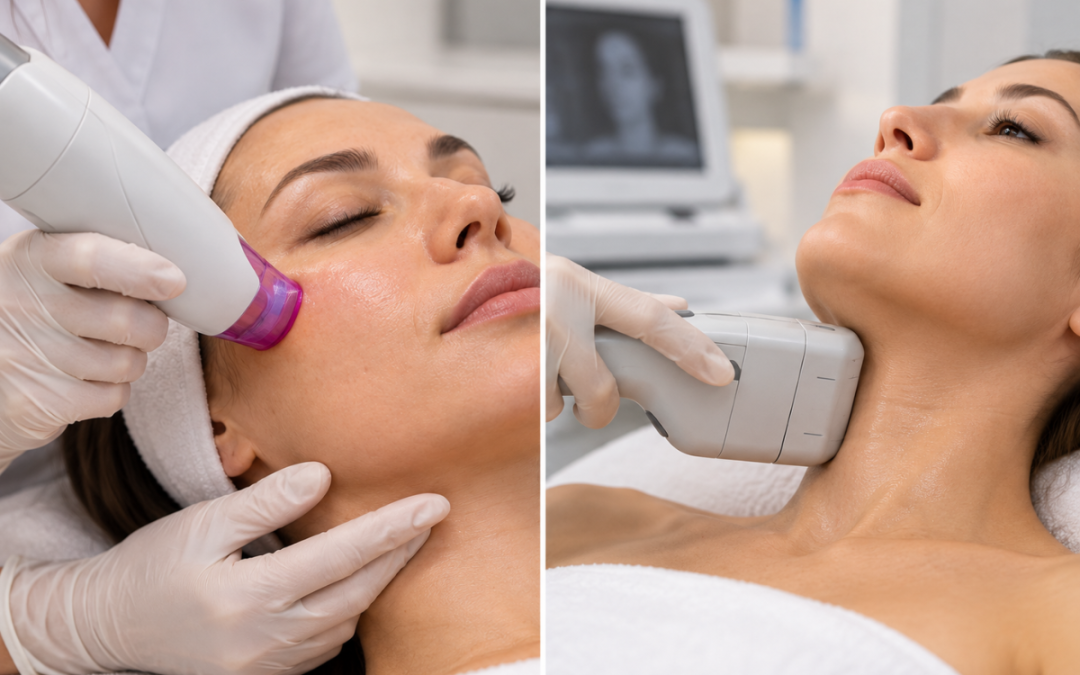
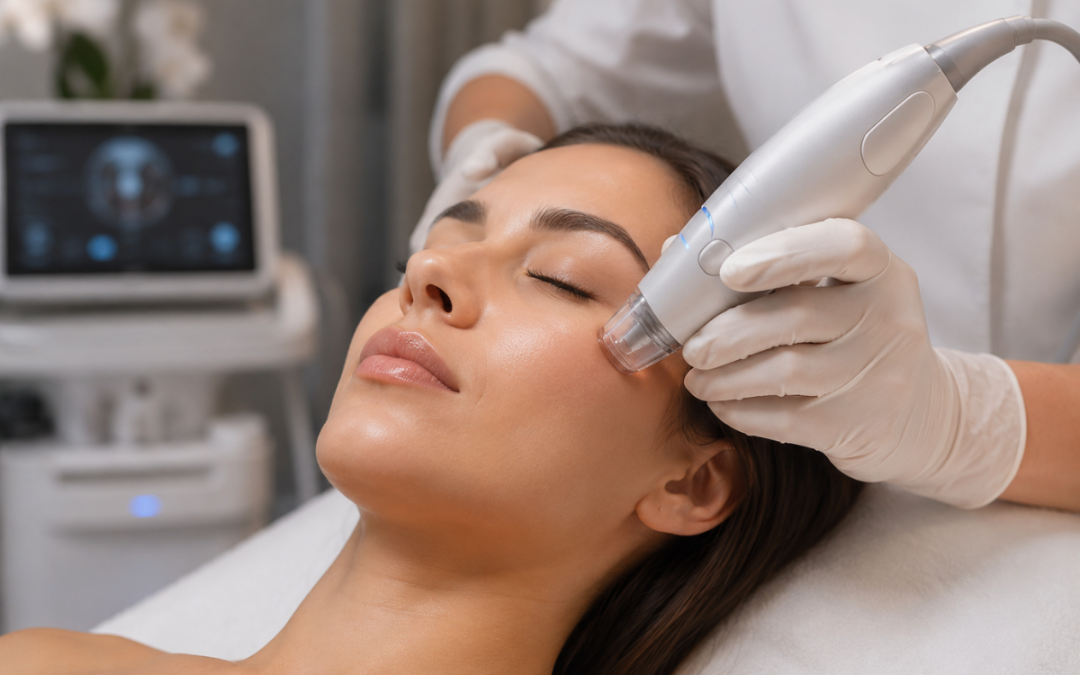
Technologies such as Fraxel Laser Treatment are often used in clinical settings to support skin renewal by targeting areas of uneven pigmentation. Suitability varies depending on individual skin type and the underlying cause of pigmentation, and a personalised consultation is essential to determine the most appropriate approach.
Heat Exposure
Heat, independent of UV light, can stimulate melanocytes. This is why pigmentation may worsen in:
- Hot climates
- Saunas or steam environments
- High-intensity workouts without cooling
Conclusion: Understanding What Causes Pigmentation for Better Skin Decisions
Understanding what causes pigmentation is the first step toward managing uneven skin tone with clarity and confidence. From UV exposure and environmental stressors to hormonal influences and genetic predisposition, pigmentation is rarely the result of a single factor. Instead, it reflects a complex interaction between internal biology and external triggers.
By recognising these causes, individuals can take a more informed approach to prevention and care. Consistent sun protection, balanced skincare, and professional guidance all play a role in maintaining a more even complexion over time.
If you are noticing persistent or worsening pigmentation, a personalised consultation can help identify the underlying factors unique to your skin. Our team offers medically guided assessments to support tailored treatment planning aligned with your skin goals.
Frequently Asked Questions
What causes pigmentation on the face?
Pigmentation on the face is commonly influenced by sun exposure, hormonal changes, inflammation, and genetic predisposition. Ultraviolet radiation stimulates melanin production, while triggers such as acne or irritation can lead to uneven pigment distribution. Over time, these factors may contribute to visible dark spots or patches.
How does pigmentation occur?
Pigmentation occurs when melanocytes produce melanin in response to triggers such as UV exposure, heat, or inflammation. This process is a natural protective mechanism designed to shield the skin from damage. When melanin is produced unevenly or in excess, it can result in visible pigmentation.
What makes pigmentation worse?
Pigmentation may become more pronounced with ongoing sun exposure, inadequate sun protection, and heat. Hormonal fluctuations and repeated skin irritation can also stimulate further melanin production. Without consistent care, these factors can cause pigmentation to persist or deepen over time.