
If your skin has become red, tight, or stinging after your skincare routine, you may be dealing with over exfoliated skin. This happens when the skin barrier strips away faster than it can recover.
Exfoliation supports healthy cell turnover, but too much of it can cause more harm than the original concern you were trying to address. Our team at
Dr Tass Cosmetic & Skin Clinics sees this condition regularly across our Melbourne clinics. This guide covers the most common signs, what causes them, and how to repair your skin at home and with professional support.
Key Takeaways
- The most common signs of over exfoliation include redness, sensitivity, tightness, and unexpected breakouts.
- Additionally, over exfoliation symptoms include stinging from previously tolerated products, a shiny appearance, and dryness that does not resolve with moisturiser.
- However, repairing over exfoliated skin requires stopping all exfoliants immediately and switching to gentle, barrier-supportive skincare.
- Furthermore, professional skin treatments can accelerate recovery once the barrier has stabilised.
- Knowing how often to exfoliate for your skin type is the best way to prevent exfoliation damage.
What Is Over Exfoliated Skin?
The skin barrier is a protective layer of cells and lipids that keeps moisture in and irritants out. Research from the British Journal of Dermatology highlights how barrier disruption underpins many reactive skin conditions.
As a result, a damaged skin barrier loses its ability to regulate hydration and resist environmental stress. Many people respond by adding more active products, which makes the situation worse. Understanding the skincare ingredients in your routine is essential for prioritising skin barrier repair.
Signs Your Skin Barrier Is Compromised
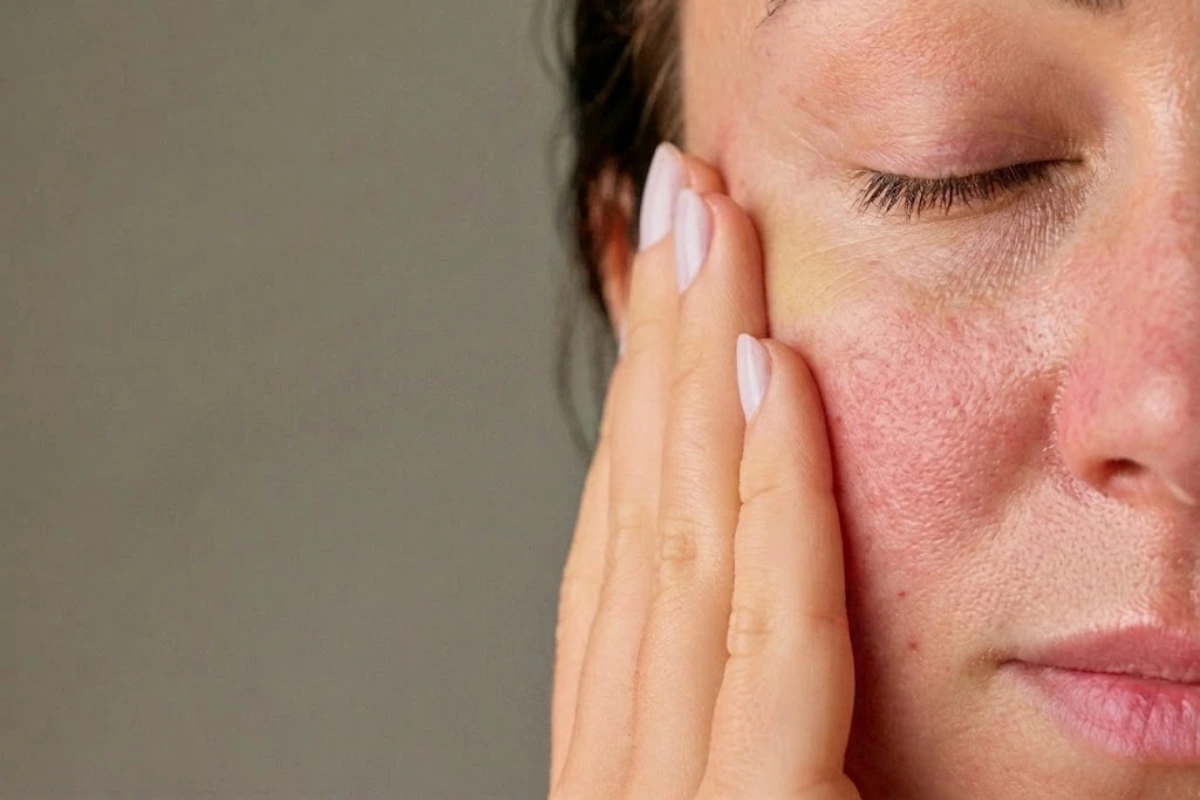
Recognising over exfoliation symptoms early prevents the damage from deepening. For example, sensitive skin after exfoliation often shows the first warning signs. Redness from exfoliation that does not settle within a day or two is one of the clearest indicators that your barrier needs rest.
Persistent Redness and Inflammation
The skin looks flushed and may feel warm to the touch. Some areas appear more reactive than others. Together, these signals point to a barrier that has lost its protective function and the skin reacting as though it is under attack.
Tightness That Does Not Respond to Moisturiser
When the barrier breaks down, the skin loses moisture rapidly. Moisturisers may provide temporary relief, but the tightness returns quickly because the root cause is barrier damage, not dryness. This is a key distinction between normal dry skin and over exfoliation symptoms.
A Shiny or Waxy Appearance
Over exfoliated skin sometimes looks flat and unnaturally smooth. This is often mistaken for a sign of good skin health. In reality, aggressive exfoliation has removed the protective outer cell layers, leaving the skin without its normal texture.
Stinging or Burning from Everyday Products
Products you have used for months, including gentle cleansers or toners, may begin to sting or burn. That reaction is a strong indicator that the barrier has lost its protection. Without its outer layers intact, the skin becomes hypersensitive and even mild formulations can trigger a response.
Increased Breakouts in Unusual Areas
Over exfoliation can also cause breakouts. Without a healthy barrier, the skin overproduces oil as a protective response. Bacteria also penetrate more easily. So breakouts in areas where you do not usually experience them are a common sign.
Peeling or Flaking Between Sessions
Some peeling after exfoliation is normal. However, continuous flaking without any additional exfoliation means the barrier is struggling. This type of flaking often pairs with tightness and sensitivity. Together, these signs indicate that exfoliation has disrupted cell turnover rather than supported it.
What Causes Exfoliation Damage?
Understanding the causes helps prevent the cycle from repeating. The following are the most common reasons over exfoliated skin develops.
Using Multiple Exfoliating Products at Once
Many modern skincare products contain low-level acids such as glycolic, lactic, or salicylic acid without labelling them as exfoliants. Skin peels are designed for controlled professional use. Combining multiple acid-containing products at home can exceed what the skin can manage.
Exfoliating Too Frequently for Your Skin Type
Dry, sensitive, or compromised skin needs far less exfoliation than oily skin. What works for one person can cause significant damage for another. Most skin types do well with exfoliation one to two times per week at most.
Using Concentrations That Are Too High
Dermabrasion treatments performed by qualified practitioners use carefully calibrated levels of exfoliation. Replicating high-concentration acids at home without guidance can cause acute barrier damage.
Combining Physical and Chemical Exfoliation
Using a scrub or exfoliating device alongside chemical exfoliants doubles the load on the skin. Physical friction combined with acid activity can strip the barrier rapidly. The cheeks, nose, and chin are especially vulnerable.
How to Fix Over Exfoliated Skin
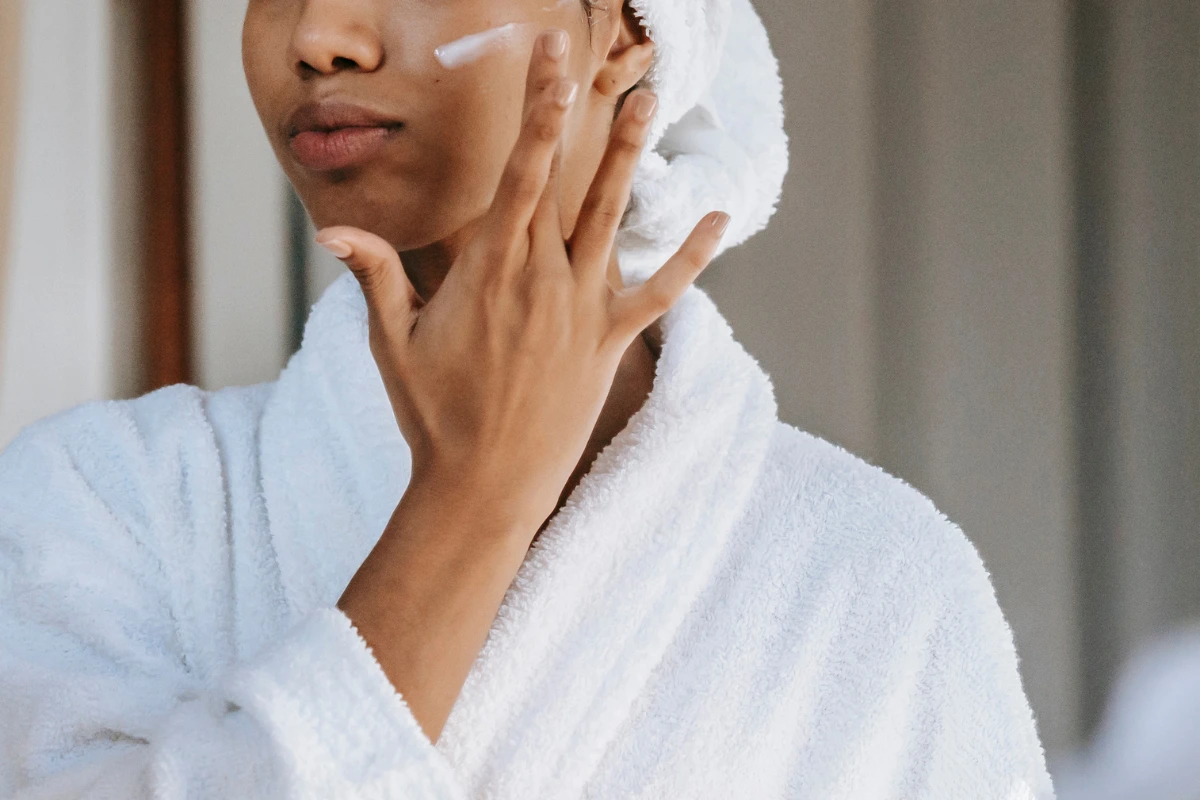
Repairing a compromised barrier takes time and consistency. The skin care team at Dr Tass Clinics recommends the following steps for at-home recovery. For severe cases or skin that is not improving, a professional assessment is the right next step.
Step 1: Stop All Exfoliants Immediately
Remove every exfoliant from your routine. This includes physical scrubs, chemical acids, enzyme products, and retinoids. You cannot repair a barrier while it is still under active disruption. Even if you are also having breakouts, continuing to exfoliate will extend the recovery period.
Step 2: Simplify Your Routine
Reduce your routine to the minimum. A gentle cleanser, a fragrance-free moisturiser, and SPF during the day is enough. The Dr Tass skincare range includes formulations designed to support hydration and recovery without adding active stress to the skin.
Step 3: Use Barrier-Supportive Ingredients
Look for ceramides, niacinamide, and panthenol. Research on ceramide-based formulations shows they restore barrier function and reduce moisture loss in compromised skin. Avoid fragrance, alcohol, and essential oils during this period.
Step 4: Protect the Skin from the Sun
Compromised skin is more vulnerable to UV damage. Apply a broad-spectrum SPF 50 every morning and reapply outdoors. Mineral blockers such as zinc oxide are generally better tolerated than chemical UV filters on sensitised skin.
Step 5: Be Patient
Barrier recovery can take one to several weeks depending on the severity. Do not add actives back early. Wait until your skin has been free of stinging, redness, and tightness for at least two weeks before trying any gradual reintroduction.
Professional Treatments to Support Skin Barrier Recovery
Once the barrier has stabilised, professional treatments can support deeper repair for over exfoliated skin. They can also address lingering concerns such as pigmentation, uneven texture, or residual sensitivity. All treatments at Dr Tass Clinics follow a thorough skin assessment.
LED Healite Light Therapy
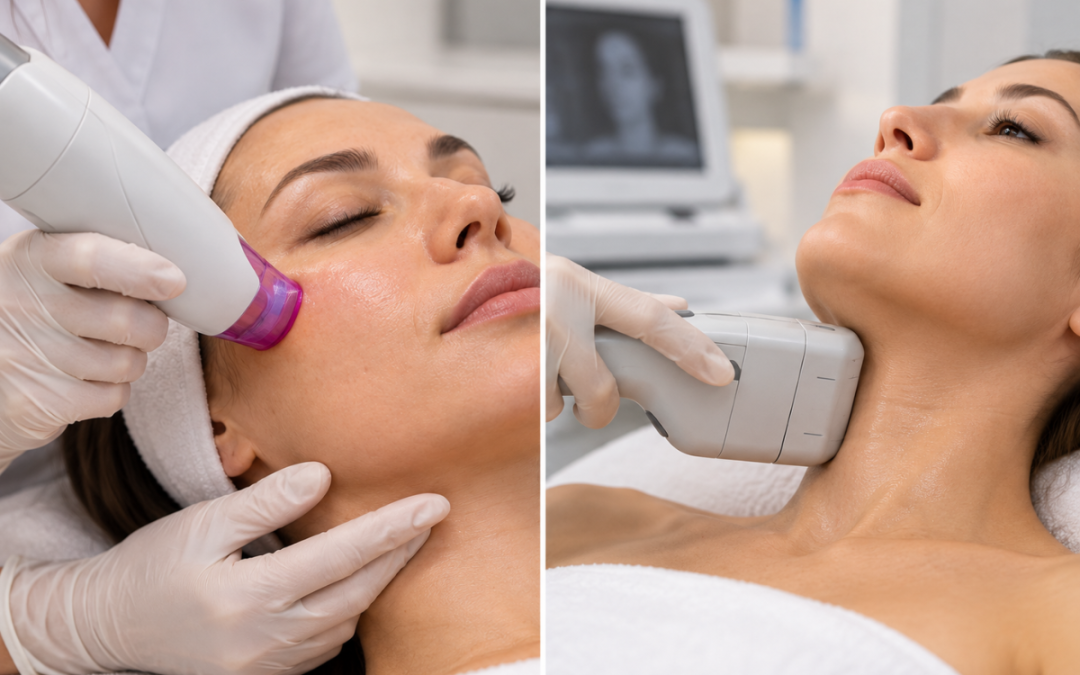
The LED Healite treatment uses specific light wavelengths to reduce inflammation and support repair. It adds no physical or chemical exfoliation load. It is non-invasive, well tolerated, and often used as part of a recovery plan for sensitised skin.
Infusion Facials for Barrier Support
An infusion facial treatment delivers targeted active ingredients to support hydration and recovery. When chosen carefully, these treatments provide real support without adding exfoliation stress. Your therapist will confirm whether this is right for your current skin condition.
Dermal Glow for Gradual Rejuvenation
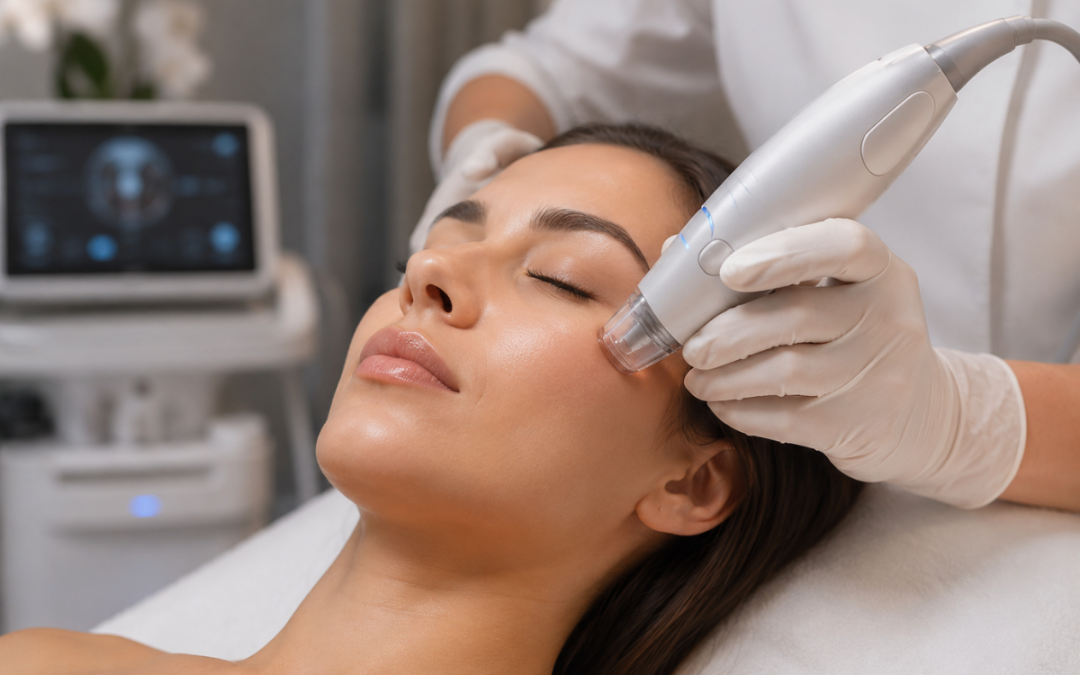
Once the skin is fully stable, the Dermal Glow treatment offers a calibrated approach to rejuvenation. It combines relaxing facial techniques with clinical laser technology. Your clinician will only introduce this treatment after confirming the skin has fully recovered and is suitable for the procedure.
Fraxel Laser for Post-Recovery Renewal
For those wanting to address textural changes or pigmentation after full barrier recovery, Fraxel laser treatment offers a clinically guided path to skin renewal. Your clinician will plan treatment carefully following a complete assessment.
How Often Should You Exfoliate?
Knowing how often to exfoliate is one of the most effective ways to avoid exfoliation damage. The right frequency depends on your skin type, the products you use, and your full routine.
General Guidelines by Skin Type
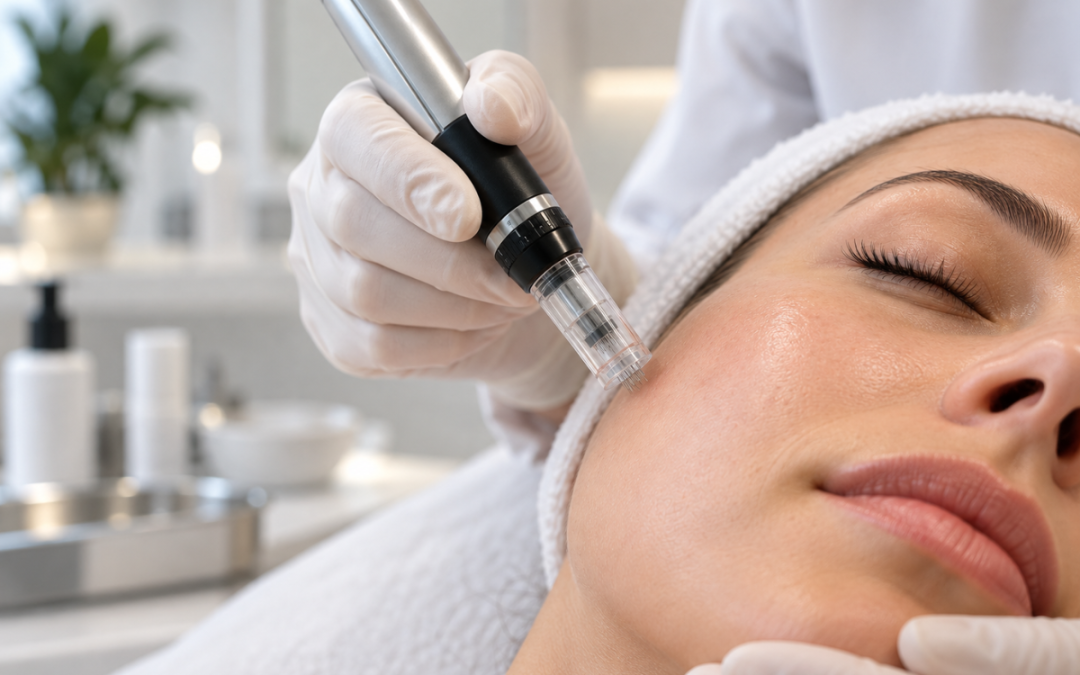
The following is a practical starting point. A professional skin assessment will give you more specific guidance. Note that treatments like medical grade needling are clinical forms of exfoliation. Never combine them with at-home acid use in the same period.
- Oily skin: two to three times per week with a gentle chemical exfoliant such as salicylic acid.
- Normal to combination skin: one to two times per week with a well-formulated AHA or BHA.
- Dry or mature skin: once per week or fortnight, using a gentle enzymatic or low-concentration lactic acid.
- Sensitive or reactive skin: once per fortnight or less, with extra caution around other actives in the routine.
- Post-treatment skin: no exfoliation until your treating clinician confirms it is safe to reintroduce.
Always introduce exfoliants gradually. Pay attention to how your skin responds over several days, not just right after use. Sensitivity that develops slowly is harder to trace back to a single product.
Speak to Our Skin Team
If your skin is not improving at home or you want professional guidance on barrier recovery, our team at Dr Tass Cosmetic & Skin Clinics is here to help. For exfoliation Melbourne consultations, we are available at Crown Spa Melbourne, Port Melbourne, and Ripponlea. Complimentary skin assessments are available at all three locations.
Frequently Asked Questions
How long does it take for the skin barrier to heal?
Mild over exfoliation typically resolves within one to two weeks. Stop all exfoliants and switch to a simplified routine. More significant damage can take four to six weeks or longer, especially if exfoliation was heavy or prolonged.
Can over exfoliation cause permanent damage?
In most cases, the barrier will fully recover with the right approach and enough time. Permanent changes are uncommon. However, very aggressive or repeated chemical burns can cause lasting damage. Early action significantly reduces this risk.
What should I avoid putting on a compromised skin barrier?
Avoid exfoliating acids (AHAs, BHAs, PHAs), retinoids, vitamin C serums, fragrance, alcohol, and essential oils. Remove any product that causes stinging or warmth on application. Focus on gentle, fragrance-free formulations until the skin is fully stable.
Is moisturiser enough to repair a damaged skin barrier?
Moisturiser supports recovery from over exfoliated skin but it is not enough on its own. Stopping all exfoliants is the essential first step. A ceramide-based moisturiser will help, but the skin needs time away from all actives to fully repair.
Can I get a facial if my skin is over exfoliated?
A standard facial with steam or active exfoliation is not appropriate during acute barrier damage. However, supportive treatments such as LED light therapy may be suitable. A professional skin assessment is the best way to confirm what is right for your skin at that time.