
Rosacea is a chronic inflammatory skin condition that affects millions of Australians. If you have persistent facial redness, visible blood vessels, or skin that flushes easily, you may be dealing with rosacea. Finding the right rosacea treatment depends on understanding your specific type and triggers. Working with a qualified practitioner is the best way to build a plan that addresses both the visible symptoms and the underlying condition.
At Dr Tass Cosmetic & Skin Clinics in Melbourne, our team regularly assesses and treats sensitive, reactive skin. This guide covers how to treat rosacea, from identifying your subtype to the clinical options available.
Key Takeaways
- Rosacea is a chronic skin condition with four distinct subtypes, each requiring a different treatment approach.
- Common rosacea triggers include sun, heat, alcohol, spicy food, and stress. Avoiding them is central to managing flare-ups.
- Laser treatment for rosacea, particularly Laser Genesis, is one of the most effective clinical options. It targets redness and visible vessels without downtime.
- A consistent, gentle skincare routine supports rosacea treatment and helps prevent irritation between clinical sessions.
- Rosacea treatment in Melbourne is available at Dr Tass Clinics, where practitioners build personalised plans following a thorough skin assessment.
What Is Rosacea?
Rosacea is a long-term skin condition that primarily affects the face. According to the Australasian College of Dermatologists, rosacea affects around 10 percent of people with lighter skin tones, though it can occur in any skin type. It tends to develop in adults between 30 and 50. Men are less commonly affected, though they often experience more severe symptoms.
The condition involves episodes of flushing and persistent redness across the cheeks, nose, chin, and forehead. Over time, visible blood vessels may appear and the skin can feel sensitive and reactive. Without appropriate management, texture changes can also develop. Understanding the condition fully is the first step toward effective rosacea skin treatment.
Is Rosacea the Same as Normal Redness?
Not all facial redness is rosacea. Healthdirect Australia notes that rosacea-prone skin flushes more often, more intensely, and for longer than typical skin. The redness also sits in specific zones of the face rather than appearing evenly. If your redness is persistent, reactive to common triggers, or accompanied by visible vessels, it warrants professional assessment.
The Four Types of Rosacea
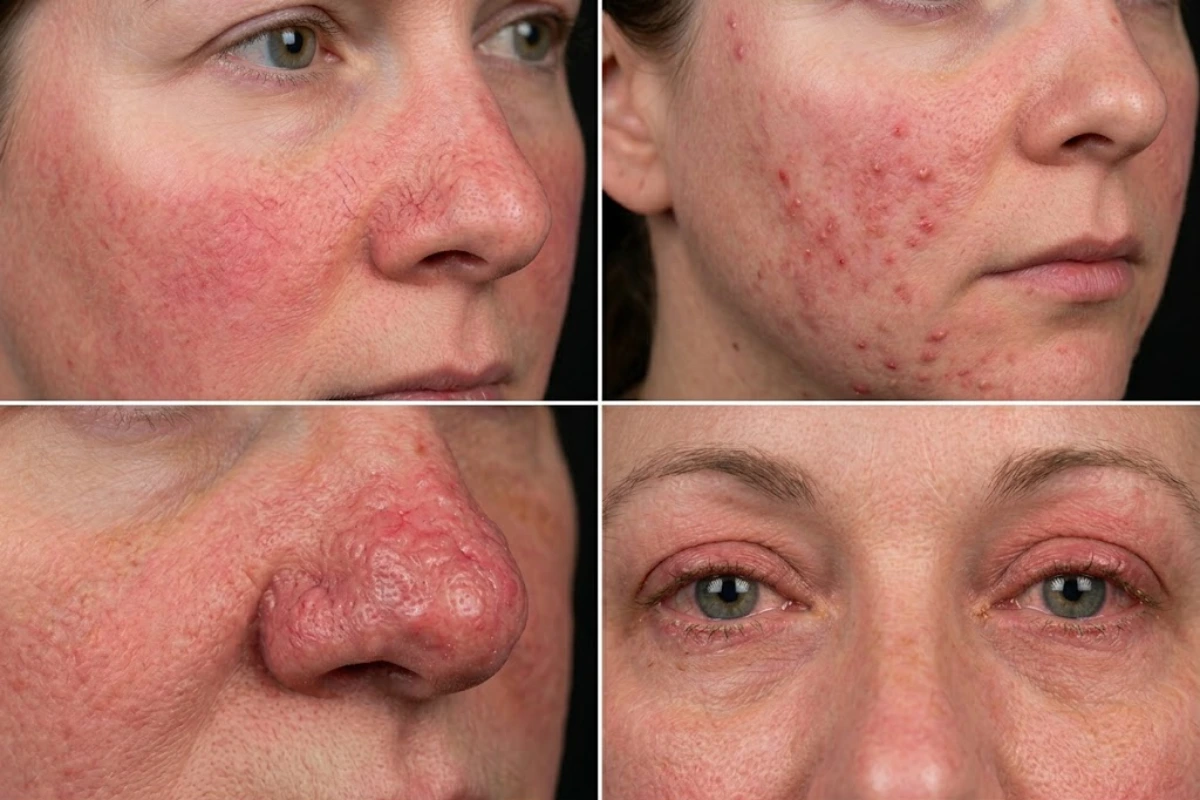
Rosacea is not a single condition. It presents in four distinct subtypes, and many people show features of more than one. Identifying your subtype helps determine the most appropriate treatment pathway.
Subtype 1: Erythematotelangiectatic Rosacea
This is the most common subtype. It involves persistent central facial redness, frequent flushing, and often visible blood vessels near the surface of the skin. The skin may also feel sensitive, dry, or stinging. This subtype responds well to laser-based treatments that target redness and dilated vessels, alongside a calming skincare routine.
Subtype 2: Papulopustular Rosacea
Often confused with acne, this subtype involves red papules and pus-filled spots on a background of facial redness. It commonly affects the central face and can be persistent. Unlike acne, it does not involve blackheads. Standard acne treatments may aggravate rather than improve this condition.
Subtype 3: Phymatous Rosacea
This subtype involves skin thickening and irregular texture, most commonly on the nose. That specific presentation is called rhinophyma. It is more common in men and tends to develop after years of unmanaged rosacea. Early treatment of other subtypes may reduce the risk of reaching this stage.
Subtype 4: Ocular Rosacea
Ocular rosacea affects the eyes, causing redness, irritation, dryness, and light sensitivity. It often accompanies one of the other subtypes. If you notice eye symptoms alongside facial redness, raise this during your assessment so your practitioner has the full picture.
Common Rosacea Triggers
Managing a rosacea flare up starts with understanding what triggers your symptoms. Triggers vary from person to person, but the most consistently reported ones include the following. Keeping a simple diary of flare-ups can help you identify your personal pattern over time.
Sun Exposure
UV radiation is one of the most common rosacea triggers. Sun exposure dilates blood vessels near the skin surface and drives inflammation. For sensitive skin, daily broad-spectrum SPF 50 is the most fundamental redness treatment available. Apply it every morning without exception, even on overcast days.
Heat and Temperature Extremes
Hot weather, saunas, hot showers, and indoor heating can all trigger flare-ups. The sudden temperature change causes blood vessels to dilate rapidly. Using cool (not cold) water on the face after heat exposure can help reduce the frequency of reactions.
Alcohol and Certain Foods
Red wine is the most commonly cited dietary trigger, though all alcohol can contribute to flushing. Spicy foods, hot beverages, and histamine-rich foods such as aged cheese can also provoke symptoms. Reducing these does not cure rosacea, but it can meaningfully lower flare frequency.
Stress and Emotional Responses
Physical and emotional stress can trigger or worsen rosacea symptoms. The mechanism involves cortisol and other stress hormones that promote inflammation and vessel dilation. Managing stress through regular exercise, sleep, and mindfulness practices may support overall rosacea management alongside clinical treatment.
Skincare Products and Irritants
Harsh cleansers, astringents, alcohol-based toners, fragrance, and physical exfoliants can all aggravate reactive skin. Even some active ingredients that suit other skin types, such as high-concentration retinoids or acids, may be too stimulating. A gentle, barrier-supportive routine is key.
How to Treat Rosacea

There is no single cure for rosacea, but effective rosacea treatment can significantly reduce the severity and frequency of symptoms. The most successful approach combines trigger management, a targeted skincare routine, and clinical treatments tailored to the subtype and severity. The skin treatment team at Dr Tass Clinics builds personalised plans based on a thorough assessment of your skin, history, and goals.
Step 1: Identify and Manage Your Triggers
Before beginning any clinical treatment, identifying your personal triggers is essential. Clinical work is most effective when inflammation is not continuously driven by avoidable factors. This step is a foundation, not a replacement for treatment.
Step 2: Build a Rosacea-Safe Skincare Routine
A consistent, gentle skincare routine is central to managing rosacea between clinical sessions. The Dr Tass skincare range includes formulations suited to sensitive and rosacea-prone skin. Focus on a gentle non-foaming cleanser, a barrier-supportive moisturiser, and daily SPF. Avoid fragrance, alcohol, and harsh actives.
Step 3: Consider Clinical Treatment Options
Clinical treatments target the underlying causes of redness and vessel dilation, not just the symptoms. Laser-based options have strong evidence behind them for reducing persistent redness and visible vessels. Your practitioner will recommend the most appropriate option based on your subtype and assessment.
Clinical Treatment Options at Dr Tass
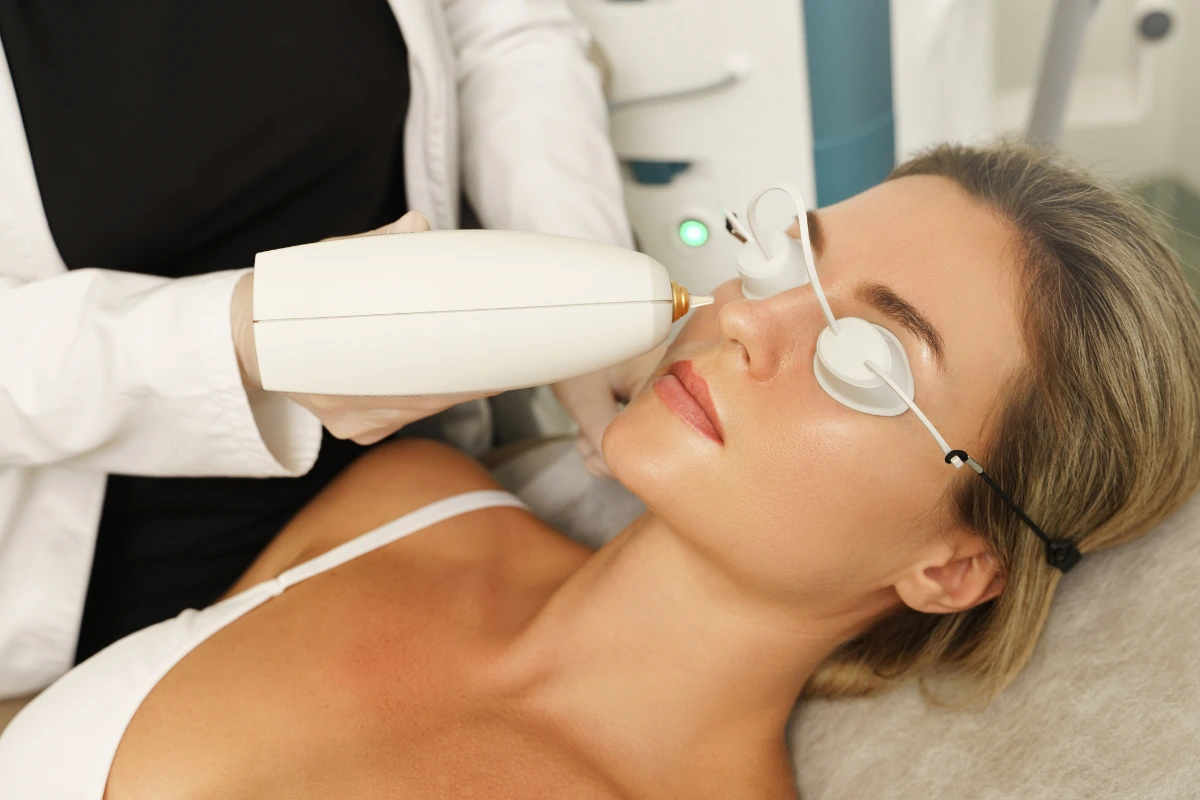
Our Melbourne clinics offer a range of clinically supported options for sensitive and reactive skin. All options are confirmed at consultation following a skin assessment. Research published in the Journal of the American Academy of Dermatology confirms that laser and light-based therapies are among the most effective interventions for managing vascular rosacea. Below are the key options available at Dr Tass.
Laser Genesis
Laser Genesis uses gentle, non-ablative 1064 nm laser energy to reduce redness and calm inflammation. It supports overall skin health without causing surface damage. The treatment is well tolerated on sensitive skin and requires no downtime. Read our detailed guide on why Laser Genesis is ideal for sensitive skin in Melbourne to learn more about this treatment.
At Dr Tass, the Laser Genesis treatment runs on the Excel V laser platform, a medical-grade system designed for vascular skin conditions. A course of treatments is typically recommended, with maintenance sessions to support long-term results.
Excel V Laser
The Excel V laser targets visible blood vessels and redness with precision. Using a 532 nm wavelength, it selectively treats dilated vessels without affecting the surrounding skin. This makes it particularly effective for the visible vascular component of rosacea, including persistent redness and thread-like surface vessels.
LED Healite Therapy
The LED Healite treatment uses specific light wavelengths to calm inflammation and support barrier function. It adds no heat or physical stress to the skin. This makes it well suited for sensitive skin that cannot tolerate more intensive treatments. LED therapy is often used alongside other clinical sessions as part of a broader plan.
Clear + Brilliant Laser
For patients who also want to address uneven skin tone or mild textural changes, the Clear + Brilliant laser offers a gentle, non-invasive option. It works at low intensity and is generally tolerable for sensitive skin, though suitability is always assessed individually at consultation.
Skin Peels for Rosacea
Carefully selected skin peels using gentle formulations such as lactic acid can support surface renewal and hydration without aggravating symptoms. Not all peels suit reactive skin, and selection is made on an individual basis following consultation. Aggressive formulations or high-concentration acids are generally avoided.
Building a Skincare Routine for Rosacea
A rosacea-safe skincare routine does not need to be complicated. In fact, simplicity is one of the most important principles. Fewer products mean fewer potential triggers, and every item in your routine should have a clear purpose for your skin.
Cleanser
Use a gentle, non-foaming, fragrance-free cleanser. Avoid anything that leaves a tight or squeaky-clean sensation, as this signals the skin barrier has broken down. Cleanse with lukewarm water rather than hot. Pat dry gently rather than rubbing.
Moisturiser
Rosacea-prone skin often has a compromised skin barrier, which makes a good moisturiser essential. Look for formulations containing ceramides, niacinamide, or hyaluronic acid. These ingredients support barrier function and calm reactivity without causing additional inflammation.
Sun Protection
SPF is the single most important product for managing facial redness long term. UV exposure is a primary trigger and a driver of progression. A mineral-based SPF 50 containing zinc oxide is the best-tolerated option for reactive skin. Apply every morning without exception and reapply if spending time outdoors.
What to Avoid
Keep your routine simple. Avoid fragrance, alcohol, witch hazel, high-concentration acids, and physical scrubs. Remove any product that causes stinging or warmth on application, and allow the skin to settle before reintroducing anything.
Rosacea Treatment in Melbourne at Dr Tass
Rosacea treatment in Melbourne is available across all three Dr Tass clinic locations: Crown Spa Melbourne, Port Melbourne, and Ripponlea. Each consultation begins with a thorough skin assessment. Your practitioner will identify your subtype, discuss your triggers, and build a plan suited to your needs.
Our practitioners have extensive experience treating inflammatory skin conditions using medical-grade laser and light technologies. Every plan is built around realistic expectations and your long-term skin health. We do not take a one-size-fits-all approach. Your plan will reflect your specific presentation, lifestyle, and goals.
Start Your Rosacea Treatment Journey
Managing rosacea is a long-term commitment, but the right support makes a real difference. Our team offers expert rosacea treatment in Melbourne, with personalised plans built around your skin and your goals. Book a complimentary consultation at Crown Spa Melbourne, Port Melbourne, or Ripponlea to take the first step.
Frequently Asked Questions
Can rosacea be cured permanently?
Rosacea is a chronic condition, which means it cannot be permanently cured. However, with the right rosacea treatment plan, symptoms can be effectively managed and significantly reduced. Many patients achieve long periods of remission with consistent clinical treatment and trigger management. The goal of treatment is control, not cure.
How many laser treatment sessions will I need for rosacea?
The number of sessions depends on your subtype and the severity of your symptoms. For Laser Genesis, four to six sessions spaced two to four weeks apart is a common starting point. Your practitioner will outline a recommended course at your consultation.
Is laser treatment for rosacea painful?
Laser Genesis feels warm and comfortable on the skin. Most patients describe it as similar to a hot stone massage. Most tolerate it well without numbing cream. The Excel V laser may create a brief snapping sensation as it targets individual vessels, though this passes quickly.
What is the best skincare routine for rosacea-prone skin?
The best routine for rosacea-prone skin is a simple one: gentle cleanser, barrier moisturiser, and mineral SPF 50 every morning. Avoid fragrance, alcohol, and harsh actives. Introduce new products one at a time so you can spot any triggers.
Does rosacea get worse with age?
Without management, rosacea can progress over time. Persistent inflammation can lead to more visible vessels, increased redness, and in some cases changes in skin texture. However, early and consistent rosacea treatment significantly reduces the risk of progression. Starting treatment sooner rather than later gives the best chance of maintaining healthy, comfortable skin long term.
Can I wear makeup if I have rosacea?
Yes, though the products you choose matter. Look for mineral-based, fragrance-free formulations. Green-tinted primers or foundations can help neutralise redness visually. Avoid heavy, pore-blocking formulations or products with alcohol, fragrance, or synthetic dyes, as these may trigger or worsen symptoms.