
Belly fat is one of the most common body concerns in Australia. It is also one of the most stubborn to address. If you are wondering, “How can you lose belly fat when diet and exercise have not been enough?” you are not alone. Understanding why it forms and what options exist is the right starting point.
At Dr Tass Cosmetic & Skin Clinics in Melbourne, our team regularly works with patients wanting to address persistent body fullness. This guide covers evidence-based lifestyle strategies and the non-surgical clinical options available at our clinics.
Key Takeaways
- Belly fat includes two distinct types: subcutaneous fat beneath the skin and visceral fat around the organs. Each responds differently to lifestyle and clinical approaches.
- A calorie deficit through diet and exercise remains the most evidence-based foundation for overall fat reduction, including around the abdomen.
- Targeted spot reduction of belly fat through exercise alone is not supported by evidence. Overall fat loss reduces belly fat over time.
- Non-surgical clinical treatments such as CoolSculpting and Emsculpt offer additional options for addressing residual belly fat. These work best alongside established lifestyle habits, not as a replacement for them.
- Any clinical approach to body contouring works best when combined with sustainable lifestyle habits, not as a replacement for them.
The Two Types of Abdominal Fat
Not all belly fat is the same. The Australian Institute of Health and Welfare identifies excess abdominal fat as a major risk factor for cardiovascular disease and type 2 diabetes in Australia. Understanding which type you have helps clarify why it can be difficult to shift.
Visceral Fat
Visceral fat sits deep within the abdominal cavity, surrounding the liver, pancreas, and intestines. This is the type of belly fat most strongly associated with health risk. It produces inflammatory compounds that affect metabolism and organ function. Visceral fat responds well to lifestyle interventions, particularly sustained calorie deficit, regular cardiovascular exercise, and improved sleep quality.
Subcutaneous Fat
Subcutaneous fat sits directly beneath the skin. It is the fat you can pinch, and it tends to be more visible. While it carries lower health risk than visceral fat, it is also more resistant to lifestyle change. This is the type of belly fat that often persists even after significant weight loss. It is the primary target of non-surgical body contouring.
Common Belly Fat Causes
The most common belly fat causes include hormonal imbalance, poor sleep, chronic stress, and diet high in refined carbohydrates. The abdomen also has a higher density of alpha-adrenergic receptors compared to other areas. These receptors inhibit fat breakdown in response to hormonal signals, making the abdomen the last area to release fat stores. Hormones including cortisol, insulin, and oestrogen all affect where fat accumulates.
Lifestyle Strategies for Losing Belly Fat

The foundation of belly fat reduction is dietary changes, regular physical activity, and lifestyle habits that support hormonal balance. No single strategy works in isolation. The following approaches have the strongest evidence base.
Reduce Overall Calorie Intake
A calorie deficit is the foundation of how to lose belly fat through lifestyle change. Targeting a moderate deficit of 500 to 750 calories per day supports steady fat loss without triggering excessive muscle loss. Crash dieting or extreme restriction tends to backfire by raising cortisol, which promotes abdominal fat storage. There is no shortcut to lose belly fat fast without trading off muscle mass or metabolic health.
Prioritise Protein at Every Meal
Higher protein intake supports fat loss in several ways. Protein increases satiety, which reduces overall calorie intake. It also helps preserve lean muscle mass during a calorie deficit, which maintains metabolic rate. Aim for a source of quality protein at each meal, including eggs, legumes, lean meat, fish, dairy, or plant-based proteins.
Reduce Ultra-Processed Foods and Added Sugar
Ultra-processed foods and added sugars are strongly associated with increased visceral fat accumulation. High-fructose intake, in particular, has a direct link to liver fat and abdominal fat storage. Reducing packaged snacks, sweetened beverages, and refined carbohydrates frees up calorie space for more satiating, nutrient-dense foods.
Include Regular Cardiovascular Exercise
Moderate to high intensity aerobic activity reduces visceral fat even when total body weight does not change. This includes brisk walking, cycling, swimming, and running. Aim for at least 150 minutes of moderate activity per week.
Add Resistance Training
Resistance training builds lean muscle, which increases resting metabolic rate and supports long-term fat management. It also directly reduces visceral fat over time, independent of weight loss. Aim for two to three resistance sessions per week alongside cardiovascular activity for the best outcome.
Improve Sleep Quality
Poor sleep is one of the most underestimated drivers of abdominal fat. Research published in the journal Obesity found that sleeping fewer than six hours per night was significantly associated with increased visceral fat accumulation. Sleep deprivation raises cortisol and ghrelin, both of which promote fat storage and increase appetite. Prioritising seven to nine hours of quality sleep is a genuine fat loss strategy.
Manage Stress
Chronic psychological stress raises cortisol, a hormone that promotes fat storage in the abdominal region. Regular physical activity, mindfulness practices, adequate sleep, and reducing discretionary commitments can all lower baseline cortisol. Over time, this supports reduced abdominal fat accumulation alongside other lifestyle changes.
Be Realistic About Spot Reduction
A common misconception is that targeted abdominal exercises such as sit-ups or crunches will burn belly fat directly. The evidence does not support spot reduction through exercise. Core exercises strengthen the underlying musculature and support posture. But fat loss occurs systemically in response to overall energy deficit, not locally in response to muscle activation.
When Lifestyle Alone Does Not Reduce Belly Fat
For many people, a committed lifestyle programme produces significant improvements in overall health and body composition. However, residual pockets of subcutaneous belly fat often persist, particularly where weight fluctuation, hormonal changes, or genetics have shaped fat distribution. This is where non-surgical clinical approaches can play a meaningful role.
Non-surgical fat reduction works best as a complementary step. It suits those who have established healthy habits but want to address specific areas that have not responded. The body treatment options at Dr Tass include body contouring in Melbourne, targeting subcutaneous fat and muscle tone in the abdomen.
Clinical Treatment Options at Dr Tass
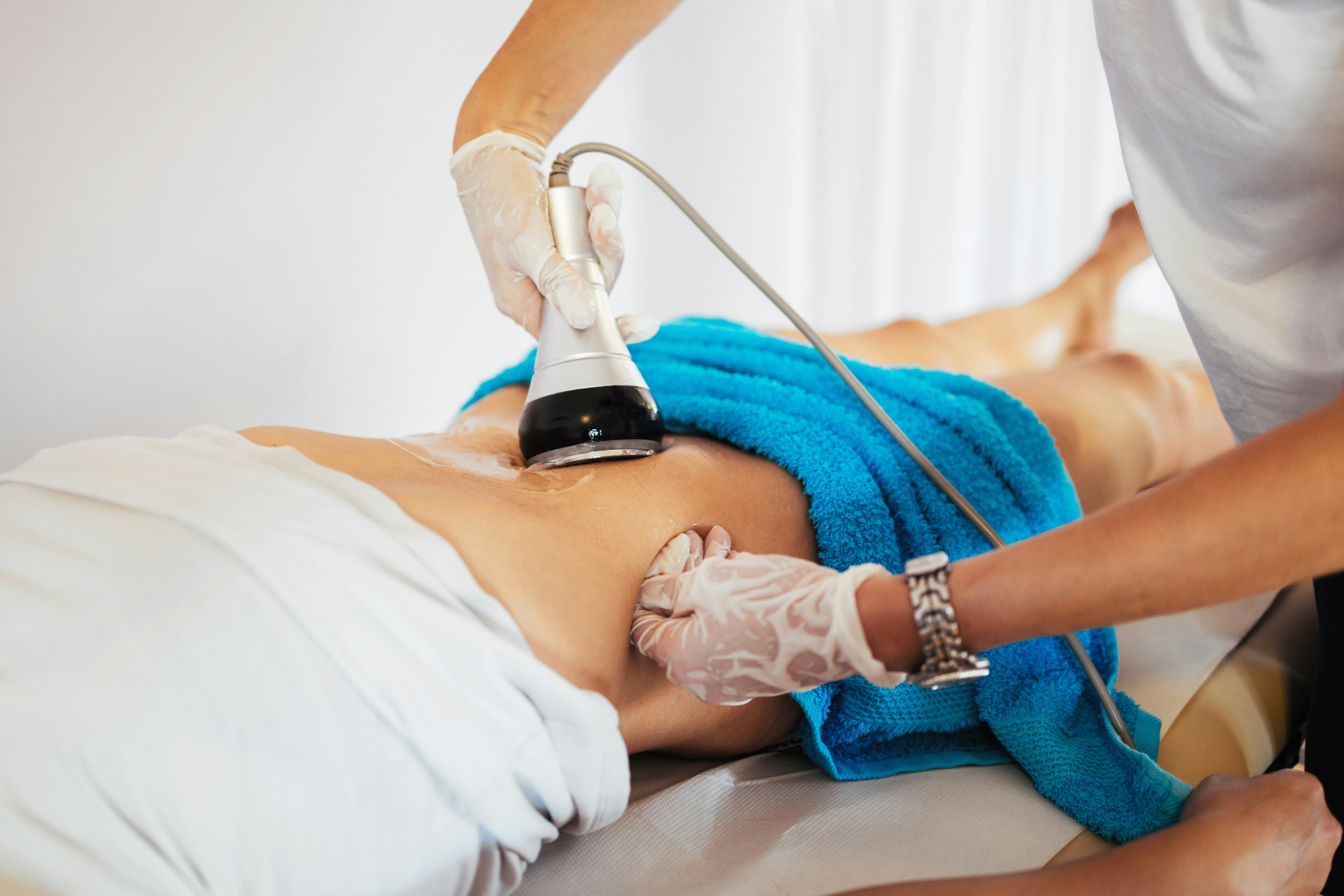
At Dr Tass, we offer clinically supported non-surgical fat reduction for patients wanting to address persistent belly fat. All treatments follow a thorough consultation. Research published in the Aesthetic Surgery Journal confirms cryolipolysis as a safe and effective option for reducing subcutaneous fat in targeted areas.
CoolSculpting
CoolSculpting belly fat is one of the most common applications of this technology. The CoolSculpting treatment at Dr Tass uses controlled cooling to eliminate subcutaneous fat cells in specific areas. Treated cells crystallise and clear gradually over weeks following treatment. It requires no surgery, no anaesthetic, and no downtime. Results develop progressively over four to twelve weeks.
Emsculpt
Emsculpt uses high-intensity focused electromagnetic energy to stimulate powerful muscle contractions in the treated area. A single session produces thousands of contractions. Over a course of treatment, this builds muscle tone and reduces localised fat. The Emsculpt treatment at Dr Tass suits those who want to address abdominal tone and fat simultaneously. It is often paired with CoolSculpting for combined fat reduction and muscle definition.
Under-Chin Reduction
While not specific to the abdomen, patients concerned about fullness in multiple areas may also benefit from under-chin reduction treatment. A full-body assessment at consultation allows your practitioner to discuss all relevant options.
What to Expect from Body Contouring in Melbourne
Every body contouring consultation at Dr Tass begins with a thorough assessment. Your practitioner will look at your body composition concerns, medical history, and goals. They will then outline which options are most appropriate, what realistic outcomes look like, and what the process involves.
Results vary between individuals. The volume of fat you want to treat, your baseline body composition, and your commitment to lifestyle habits all influence outcomes. Most patients require a course of treatments rather than a single session. Maintenance of results also requires ongoing lifestyle support.
Locations
Non-surgical body contouring treatments are available at Dr Tass across Melbourne. Our clinics sit at Crown Spa Melbourne, Port Melbourne, and Ripponlea.
Explore Your Options at Dr Tass
If you have worked on your lifestyle habits and still have persistent belly fat, clinical options may help. Our team at Dr Tass Cosmetic & Skin Clinics is here to guide you. Book a complimentary consultation at Crown Spa Melbourne, Port Melbourne, or Ripponlea to discuss your goals.