
Dry vs dehydrated skin is one of the most common points of confusion in skincare, and the mix-up matters more than most people realise. Both feel uncomfortable, both can make skin look dull and feel tight, but they have different causes and need entirely different responses.
Getting the distinction right is the starting point for actually improving how your skin feels. At Dr Tass Cosmetic & Skin Clinics in Melbourne, skin assessments routinely reveal this confusion as the reason a patient’s skincare routine is not delivering what they expected. This guide clears it up.
Key Takeaways
- Dry skin is a skin type. It produces less sebum than normal skin, which means it lacks the natural oils that form part of the skin’s protective barrier.
- Dehydrated skin is a condition, not a type. It occurs when the skin lacks water, and it can affect any skin type, including oily skin.
- The most common mistake is treating dehydrated skin with richer oils and creams when it actually needs water-binding ingredients like hyaluronic acid.
- Dry skin responds to emollients and occlusive products that replenish oils and seal moisture in. Dehydrated skin responds to humectants that draw water into the skin.
- Both conditions can be supported with professional treatments that work at the level of the dermis, not just the skin surface.
What Is Dry Skin?
Dry skin is a skin type, which means it is a characteristic of how your skin is built rather than something that comes and goes with the seasons. People with dry skin produce less sebum than average. Sebum is the natural oil secreted by sebaceous glands in the skin, and it plays a critical role in forming the outer part of the skin’s protective barrier.
Without adequate sebum, the barrier is less effective at retaining moisture. Water escapes from the skin more readily through a process called transepidermal water loss. The result is skin that feels tight, looks dull, may flake or feel rough, and is generally more reactive to environmental conditions and skincare products.
Is Dry Skin a Permanent Condition?
Dry skin as a type is largely genetically determined. You do not grow out of it, though it often worsens with age as sebaceous gland activity naturally declines. Environmental factors such as cold weather, low humidity, and hot showers can temporarily worsen dry skin, but they do not cause it.
Managing dry skin is about consistently supporting the barrier rather than trying to correct it. The right products, used consistently, make a significant difference to comfort and skin appearance even when the underlying type cannot be changed.
Signs You Have Dry Skin
- Skin feels tight, particularly after cleansing
- Visible flaking or rough texture on the surface
- Skin looks dull or ashy, especially in areas like the cheeks and forehead
- Redness or irritation is common, as the compromised barrier allows irritants in
- Conditions such as eczema and psoriasis are more prevalent in those with dry skin types
What Is Dehydrated Skin?
Dehydrated skin is a condition rather than a type, which is a critical distinction. It means the skin is temporarily lacking water, and that state can affect any skin type, including combination and oily skin.
Someone with naturally oily skin can be severely dehydrated. This surprises many people, but it makes sense once you understand that oil and water in the skin are entirely separate systems.
Water sits in the deeper layers of the skin, held in place by molecules like hyaluronic acid. Research supports the understanding that the skin’s water content is regulated by its barrier integrity and its ability to bind and retain water in the dermal layers. When that capacity is compromised, the skin loses water faster than it can replace it.
What Causes Dehydrated Skin?
Dehydrated skin is caused by a range of external and internal factors. Harsh cleansers that strip the skin’s barrier, over-exfoliation, environmental stressors like wind and air conditioning, low water intake, alcohol consumption, and certain medications can all deplete the skin’s water reserves.
Unlike dry skin, dehydration is a temporary state that changes with circumstances. It can worsen significantly in winter or after a period of stress, and improve with the right skincare adjustments, lifestyle changes, or clinical support. The temporary nature of it is also why it is often missed: people assume they just need a richer moisturiser, when what the skin actually needs is water.
Signs You Have Dehydrated Skin
- Skin looks dull and lacks glow even when it does not feel dry
- Fine lines appear more pronounced, particularly around the eyes
- The skin pinch test: pinch a small area of skin gently; if it takes a moment to return flat, the skin may be dehydrated
- Skin feels tight despite producing visible oil
- Makeup does not sit well or separates during the day
- The skin looks congested or textured despite feeling flat and parched
Dry vs Dehydrated Skin: The Key Difference
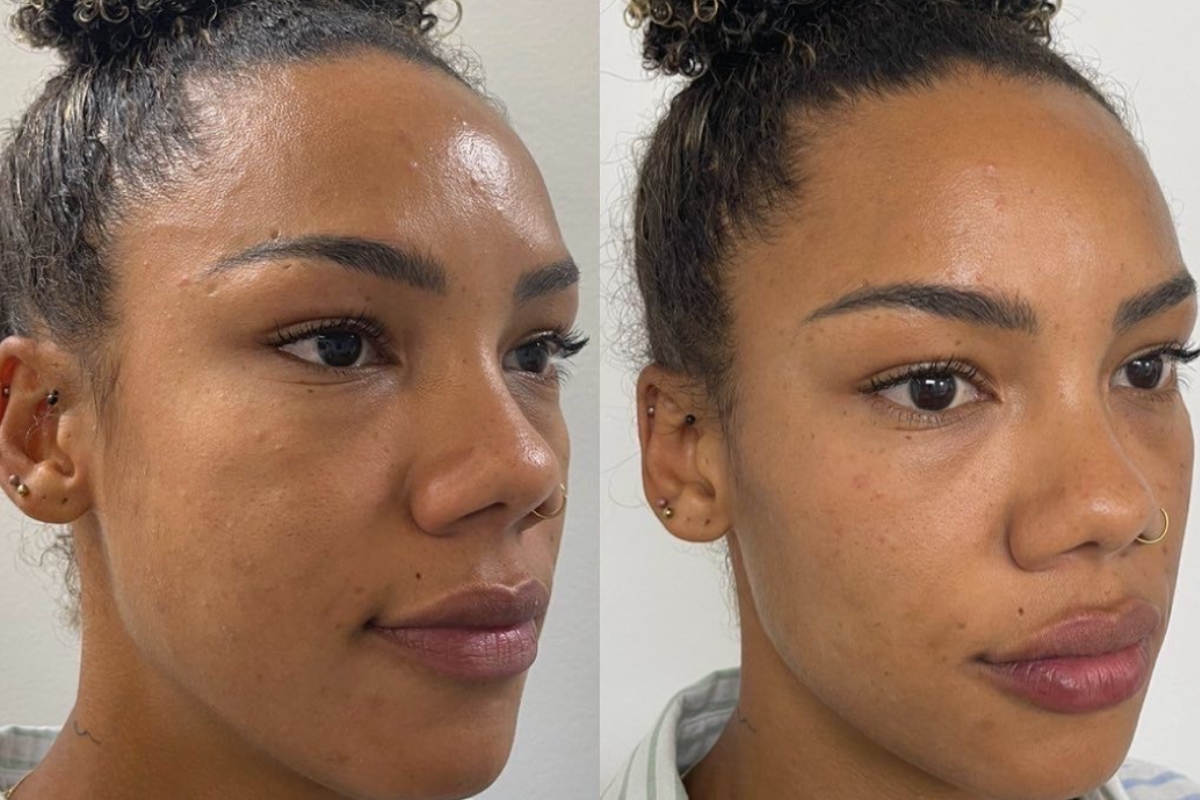
The single most useful way to understand dry vs dehydrated skin is this: dry skin lacks oil, dehydrated skin lacks water. These are separate substances in the skin, regulated by separate mechanisms, and they respond to entirely different interventions.
A dry skin type has a sebum deficiency at the surface, which compromises the outer part of the skin barrier. Dehydrated skin has a water deficiency in the deeper layers of the skin, which affects the skin’s plumpness, elasticity, and glow. You can have both simultaneously, and many people do, which adds to the confusion.
Why the Confusion Happens
Dry and dehydrated skin both present with tightness and dullness, which makes them easy to confuse at the surface level. The important difference is that dehydrated skin can affect any skin type.
If your skin is oily but looks dull and fine lines seem more pronounced, dehydration is likely the issue. Makeup that will not sit flat is another reliable signal.
The practical risk of confusing the two is that you end up treating the wrong thing. Applying richer, oil-heavy creams to dehydrated skin may temporarily reduce tightness but will not restore water content. Applying lightweight hydrating serums to genuinely dry skin may improve texture slightly but will not address the barrier deficiency that allows moisture to escape.
Can You Have Both at the Same Time?
Yes. Dry, dehydrated skin is common and often the most challenging to manage because it needs both oil replenishment and water retention addressed together. The barrier is compromised from both angles: it lacks the oils to form a protective seal and lacks the water reserves to keep the skin plump and resilient from within.
Identifying which component is dominant at any given time helps determine which products and treatments to prioritise. A thorough skin assessment from a qualified practitioner is more reliable than guessing from symptoms alone.
How to Treat Dry Skin
Treating dry skin means supporting the outer skin barrier with ingredients that mimic or supplement sebum. Emollients fill the spaces between skin cells and smooth the surface, while occlusives create a seal to prevent moisture from escaping. Both belong in a dry skin routine, and neither should be substituted for humectants alone.
Key Ingredients for Dry Skin
Ceramides, fatty acids, squalane, shea butter, and niacinamide are among the most effective ingredients for dry skin. They work by reinforcing the lipid content of the skin barrier, improving its ability to retain whatever moisture is present. A gentle, non-stripping cleanser is equally important, as harsh cleansers worsen dry skin by removing what little sebum is present.
SPF is non-negotiable for dry skin. UV damage degrades the barrier over time, and dry skin is already working with a compromised one. A moisturising SPF used daily removes one of the most significant sources of ongoing barrier damage.
Clinical Treatments for Dry Skin
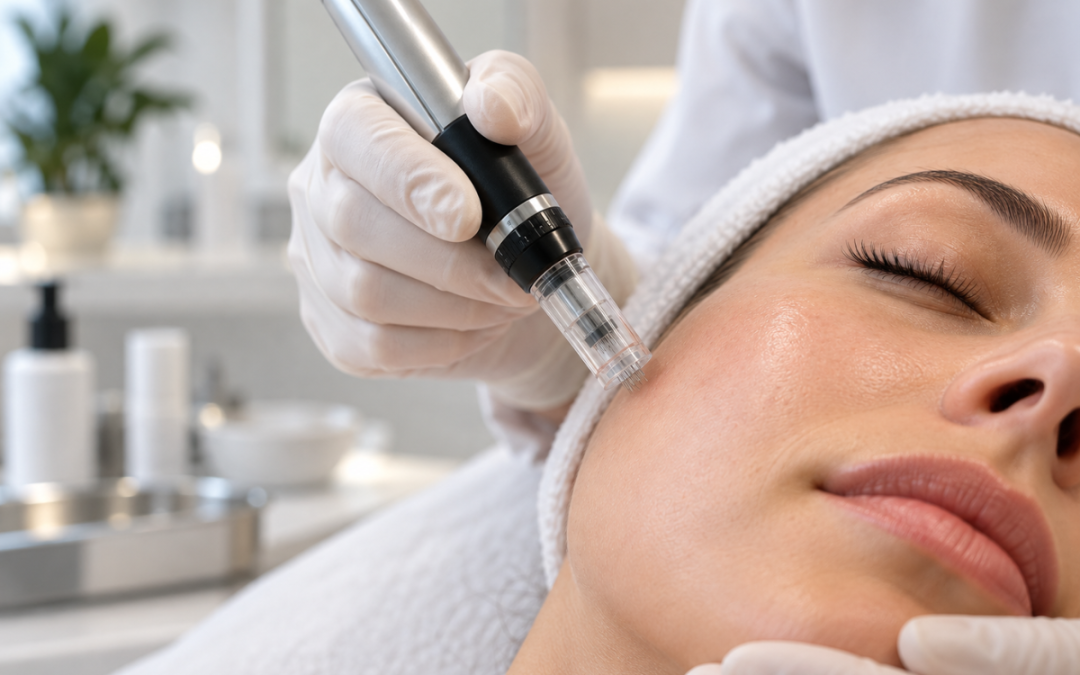
For dry skin that does not respond well to topical care alone, clinical treatments can work at a deeper level. Skin needling stimulates collagen and elastin production, which thickens the dermis and improves the skin’s structural integrity over time. For dry skin that has become reactive or sensitised, a course of LED Healite pairs well with needling to calm inflammation and support barrier recovery.
Gentle skin peels using lactic acid are well suited to dry skin, as lactic acid exfoliates gently while also providing some humectant benefit. They clear surface flaking and improve the skin’s ability to absorb subsequent treatment products.
How to Treat Dehydrated Skin
Treating dehydrated skin means restoring water content and improving the skin’s ability to hold onto it. This is a different objective from treating dry skin, and it requires different ingredients. Humectants are the primary tool: they attract water from the environment and from the deeper layers of the skin and hold it in the upper layers where it is needed.
Key Ingredients for Dehydrated Skin
Hyaluronic acid is the most widely known humectant and one of the most effective. It can hold many times its weight in water and draws moisture into the outer layers of the skin when applied correctly. Glycerin, sodium PCA, and aloe vera are also effective options.
The key is applying humectants to damp skin and sealing them in with a moisturiser. In low-humidity environments, humectants can draw moisture out of the skin rather than in if left unsealed.
Avoiding over-exfoliation is equally important for dehydrated skin. Excessive use of AHAs, BHAs, and retinoids without adequate barrier support accelerates transepidermal water loss and worsens dehydration even as it improves texture in other ways. Finding the right balance for your skin is the challenge.
Clinical Treatments for Dehydrated Skin
For persistent or significant dehydration, clinical treatments that deliver hydration directly into the dermis are more effective than surface skincare alone. Skin booster treatments inject hyaluronic acid at a depth topical products cannot reach, restoring the dermal water reservoir and producing a visible improvement in glow and plumpness that typically lasts several months.
Rejuran is another strong option for dehydrated skin. Its polynucleotide base supports the skin’s own repair mechanisms and improves the skin’s capacity to retain water at the cellular level. Both treatments work at the dermis rather than the surface, which is where lasting improvement in skin hydration actually comes from.
Dry vs Dehydrated Skin: How to Tell Which One You Have
Telling dry vs dehydrated skin apart starts with understanding your skin type. If your skin has always been dry regardless of the season, diet, or water intake, that points to a skin type rather than a temporary condition. If it behaves differently at different times of year, after travel, after stress, or after changing your routine, dehydration is more likely.
The pinch test is a practical at-home indicator: gently pinch a small area of skin on your cheek or inner forearm and hold for a second before releasing. Skin that springs back quickly is adequately hydrated. Skin that holds the crease briefly before returning to flat suggests dehydration.
Why a Professional Assessment Is Worth It
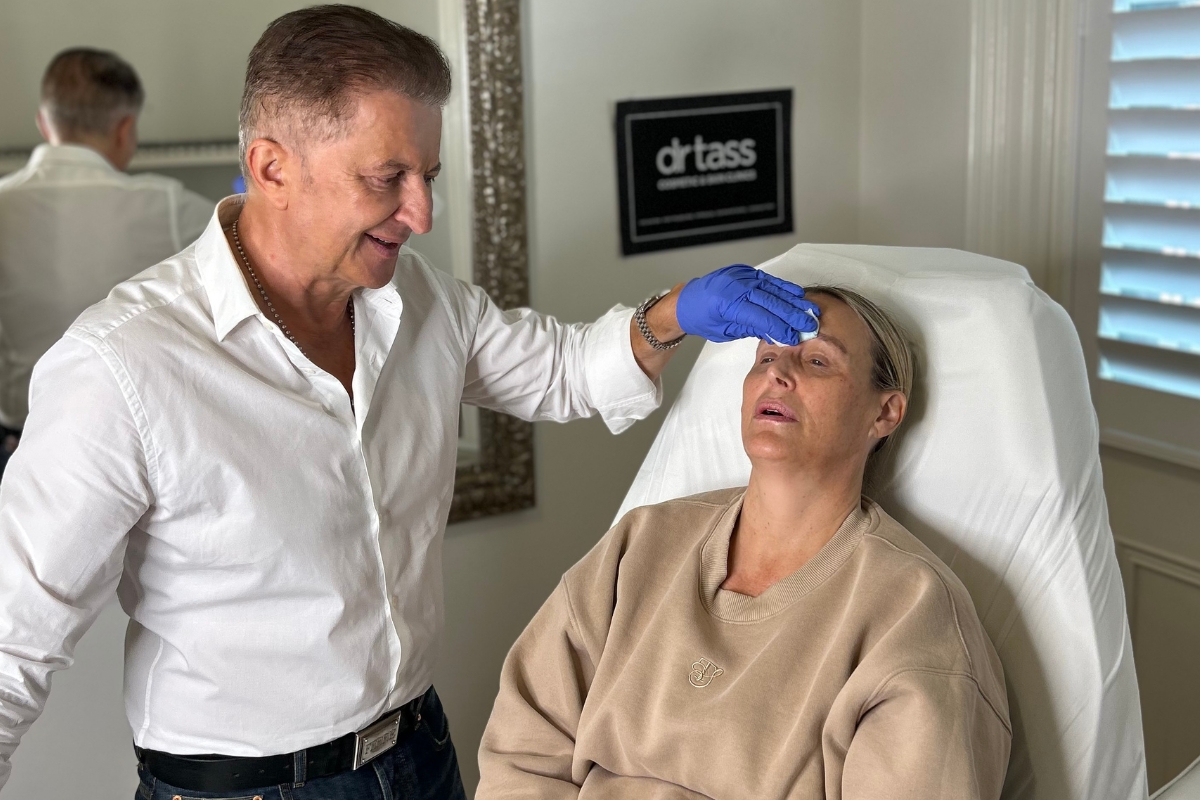
Self-diagnosis of skin conditions is unreliable precisely because the symptoms overlap. Skin can be dry and dehydrated, oily and dehydrated, sensitised and both. A professional skin assessment goes beyond what you can observe in a mirror: it considers your skin history, your current routine, environmental factors, and what is actually visible under clinical light.
At Dr Tass Cosmetic & Skin Clinics, every skin consultation includes a skin analysis that identifies the actual condition of your barrier, your hydration levels, and the underlying causes of any concern. From there, the team recommends a treatment plan that addresses what is actually happening rather than what it appears to be.
Book a Skin Consultation at Dr Tass Melbourne
Understanding whether your skin is dry, dehydrated, or both is the first step toward actually improving it. At Dr Tass Cosmetic & Skin Clinics, the team will assess your skin properly and recommend a clear path forward, whether that means adjusting your home routine, beginning a clinical treatment, or both.