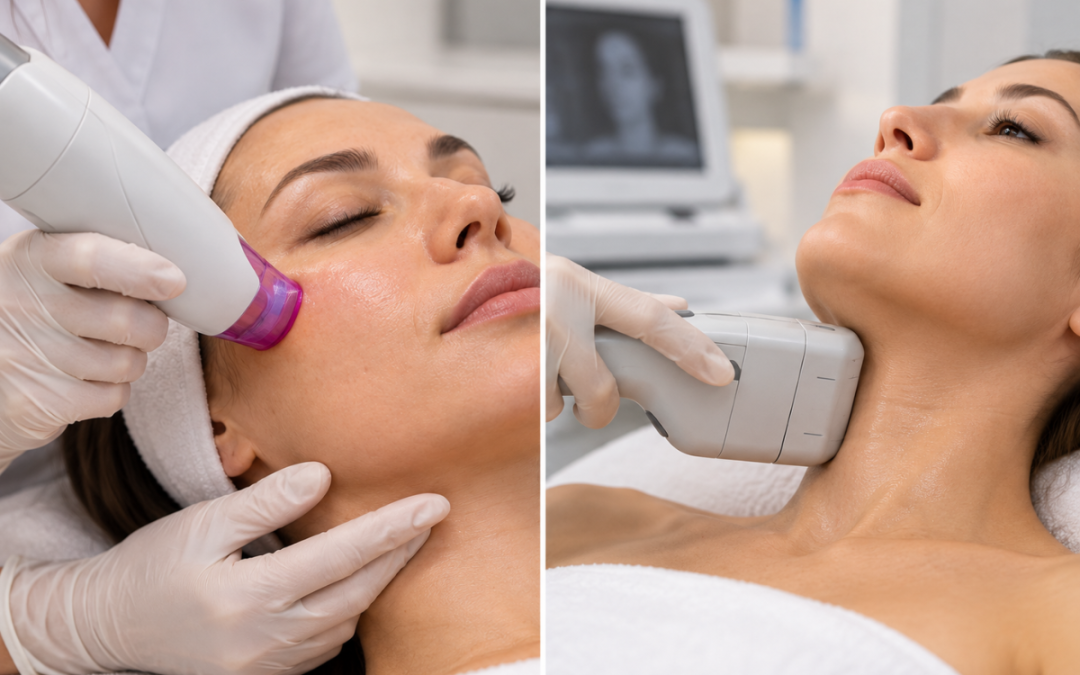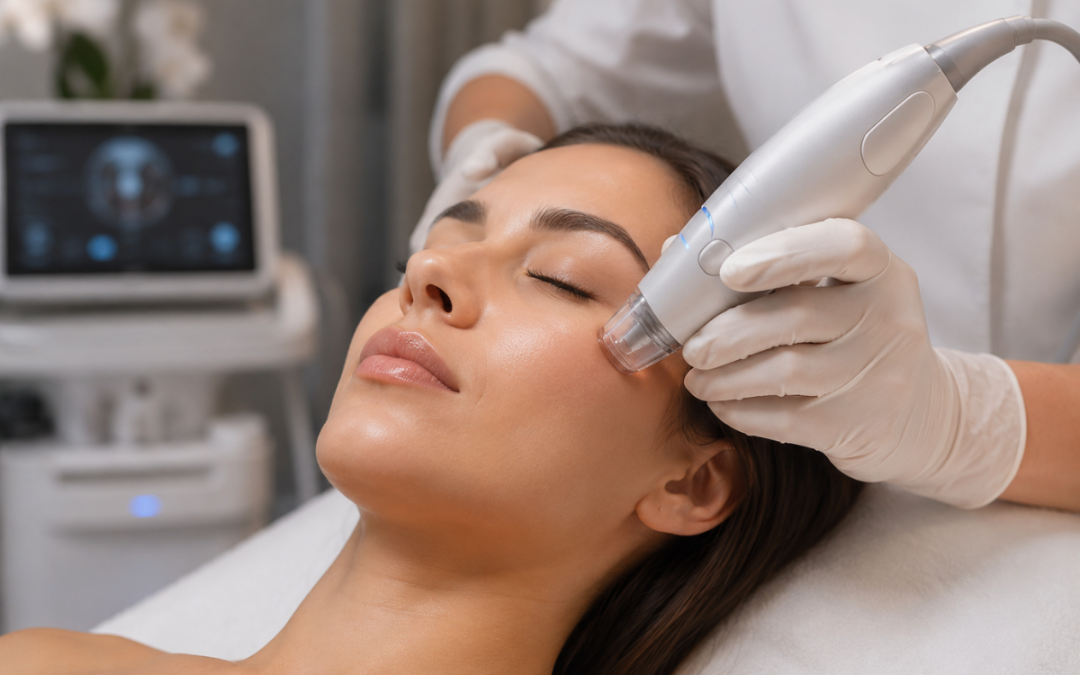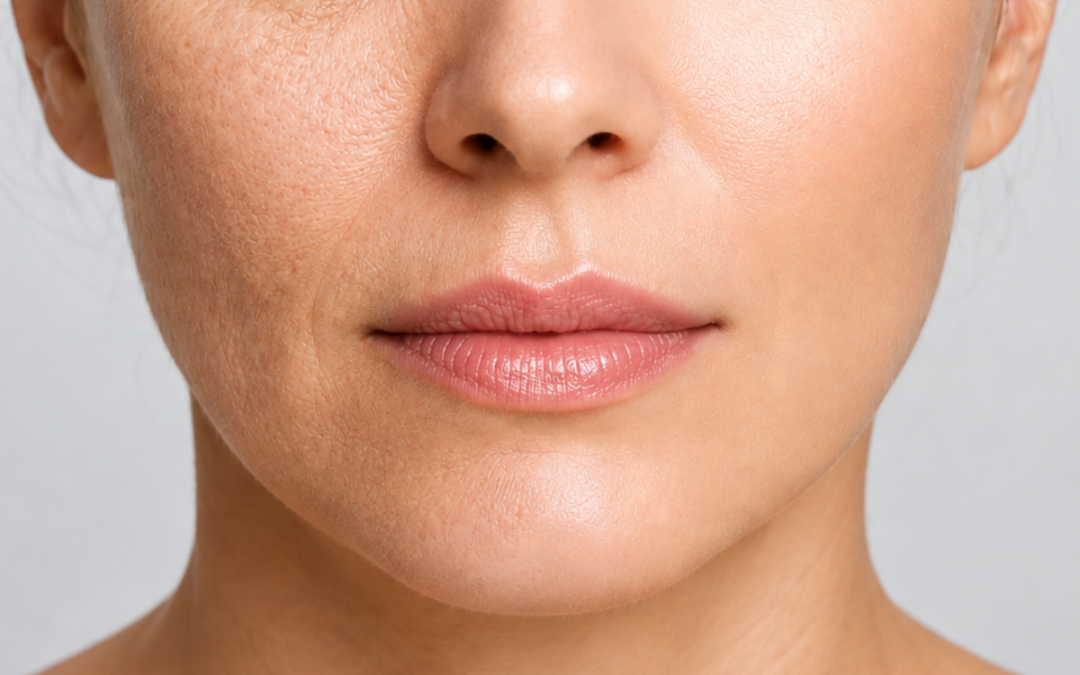

Skin needling is a minimally invasive skin treatment that uses fine needles to create controlled microscopic channels in the skin. These channels trigger the skin’s natural repair process, stimulating the production of collagen and elastin from within.
Knowing what is skin needling and what it can realistically achieve helps you decide whether it suits your skin and your goals. The result is skin that becomes progressively thicker, firmer, and more refined over a course of sessions.
At Dr Tass Cosmetic & Skin Clinics in Melbourne, skin needling is one of our most consistently performed skin treatments. It suits a wide range of skin concerns and sits in the middle ground between a facial and a more intensive resurfacing treatment.
Key Takeaways
- Skin needling creates microscopic channels in the skin, prompting the body to produce new collagen and elastin as part of its natural healing response.
- It is effective for acne scarring, enlarged pores, uneven texture, stretch marks, and general skin quality improvement.
- A course of three to six sessions is needed for meaningful results on scarring. A single session will not produce lasting structural change.
- Downtime is minimal: redness similar to moderate sunburn that resolves within 24 to 48 hours.
- Results continue to develop for three to six months after the final session as collagen remodelling progresses.
How Does Skin Needling Work?
To understand how skin needling works, it helps to know what happens in the skin at the moment of treatment. The fine needles penetrate to a controlled depth, creating thousands of microchannels in the dermis. The skin registers these as minor injuries and responds by producing new collagen and elastin to repair them.
This process is known as collagen induction therapy. Research published confirms that microneedling consistently stimulates dermal collagen synthesis and neovascularisation, improving skin thickness and elasticity across a range of skin types.
What makes this mechanism powerful is its depth. Unlike surface treatments that work on the outermost layer, skin needling reaches into the dermis where structural change happens. The skin’s own healing chemistry does the work, which is why the results develop gradually and continue to improve for months after the final session.
What Depth Do the Needles Reach?
The depth of needle penetration is adjusted depending on the area being treated and the concern being addressed. Shallower depths of around 0.5mm suit general skin quality and texture. Deeper settings of 1.5mm to 2.0mm are used for acne scarring and stretch marks, where the collagen response needs to reach the level where scar tissue sits.
Your practitioner sets the depth based on a skin assessment before treatment begins. Treating at the correct depth for your specific concern is one of the most important technical factors in the outcome.
How Is Medical Grade Skin Needling Different from At-Home Rollers?
At-home dermal rollers use much shorter needles, typically 0.1mm to 0.3mm, which cannot reach the dermis. They improve product absorption but do not trigger meaningful collagen induction. Medical grade skin needling reaches the depths required to produce structural change in the skin.
The device matters too. Clinical needling pens create clean, consistent vertical channels, while rollers create angled punctures that are less precise. The results achievable in a clinic are in a different category from anything achievable at home.
What Does Skin Needling Treat?
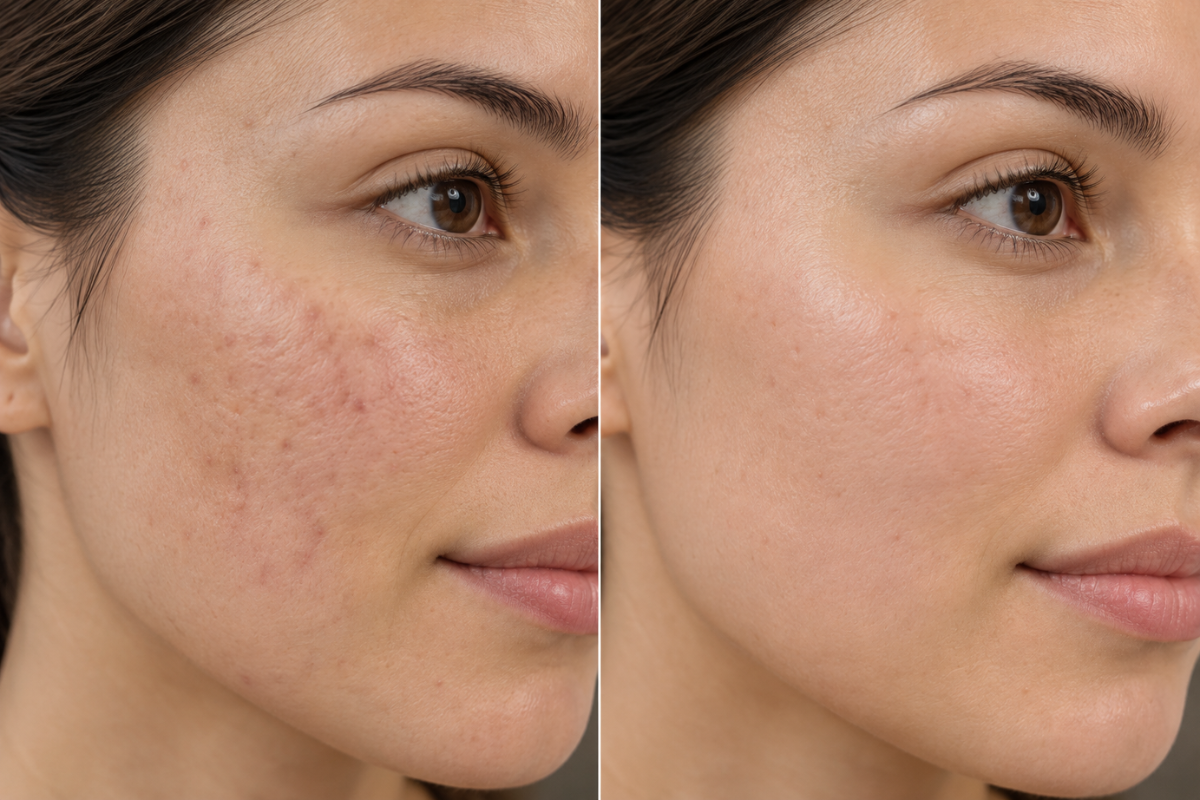
Skin needling is one of the more versatile skin treatments available. Because it works through the skin’s own biology rather than targeting a single pigment or structure, it addresses a broad range of concerns.
Acne Scarring
Acne scarring is one of the strongest indications for skin needling. The collagen induction triggered by treatment gradually remodels the fibrous scar tissue, raising depressed scars and improving the overall texture of skin affected by post-acne changes. Results are cumulative, and three to six sessions are typically required before the skin’s structure changes meaningfully.
It is important to note that skin needling treats scarring, not active acne. Treatment should not be performed over an active breakout.
Enlarged Pores and Uneven Texture
Pore size is largely determined by the volume of collagen surrounding each follicle. As collagen diminishes with age or sun damage, pores appear larger. Skin needling stimulates new collagen around the follicle, gradually reducing the appearance of pore size and producing a more refined surface texture.
Patients often notice this change before they notice improvements in other areas, as texture refinement can become visible within four to six weeks of the first session.
Fine Lines and Skin Laxity
The new collagen produced through skin needling thickens the dermis over time, which has a direct effect on fine lines. Skin that is thicker and better supported shows lines less prominently.
This is a different mechanism from anti-wrinkle injections, which relax the muscle causing the line. Needling works on the skin itself, building the structure underneath rather than stopping the movement above.
For mild to moderate skin laxity, a course of skin needling can produce a visible improvement in overall firmness and skin quality.
Stretch Marks
Stretch marks form when the dermis tears under rapid skin expansion, leaving a disruption in the collagen matrix. Skin needling at appropriate depths stimulates collagen remodelling in the affected area, gradually improving the texture and appearance of the mark. Newer stretch marks that are still pink or red respond better than older white or silver marks.
What to Expect from a Skin Needling Treatment
Knowing what the process involves helps set realistic expectations and prepares you for the experience. Here is what a typical skin needling appointment looks like at Dr Tass.
Before the Treatment
A numbing cream is applied to the treatment area approximately 30 minutes before the procedure begins. This makes the session comfortable for most patients. Your practitioner will also review your skin, confirm the appropriate needle depth for your concern, and answer any questions before starting.
During the Treatment
The treatment itself takes approximately 30 minutes. Your practitioner works the needling device across the skin in a systematic pattern, adjusting depth as needed for different areas of the face. Most patients describe the sensation as mild pressure or a light warmth, with some areas feeling more sensitive than others.
The face develops a pink to red flush during treatment, similar to a light sunburn. This is an expected part of the process and indicates that the skin is responding.
After the Treatment
Redness and a feeling of warmth typically persist for 24 to 48 hours after the session. The skin may feel tight and slightly sensitive during this period. Most patients return to normal activities the following day, though some choose to avoid social commitments for the first day or two.
Sun protection is essential in the days following treatment. The skin is more vulnerable to UV damage while it is in active repair mode, and unprotected sun exposure can work directly against your result.
When Will You See Results?
The skin typically looks brighter and more even within the first week after a session, as the initial healing process concludes. The deeper collagen change takes longer. Most patients notice a real difference in texture and scar depth at six to eight weeks.
This is why patience is a genuine part of a skin needling course. The final result at six months will be better than the result at six weeks.
How Many Skin Needling Sessions Do You Need?
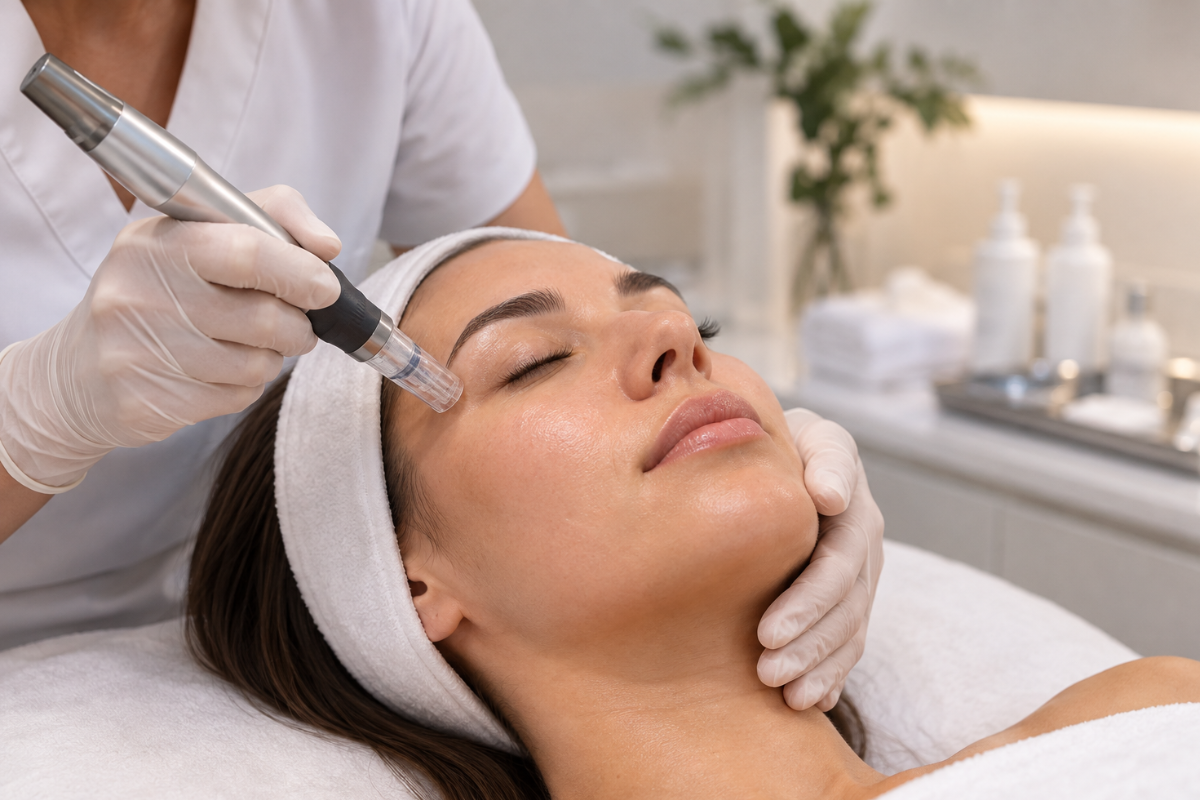
The number of sessions required depends on what you are treating and the severity of the concern. A single session will improve skin quality and give a noticeable glow, but it will not produce lasting structural change in scarring or texture. The collagen induction response builds with each successive treatment.
General Skin Quality and Maintenance
For general skin health, radiance, and maintenance between other treatments, one to two sessions per year can be beneficial. Patients at this end of the spectrum notice cumulative improvements in glow, hydration, and overall skin condition.
Texture, Pores, and Mild Scarring
For meaningful improvement in pore size, texture, or mild scarring, three to four sessions spaced four to six weeks apart is a realistic starting point. Your practitioner will assess progress between sessions and advise on whether additional treatment is recommended.
Moderate to Significant Acne Scarring
For moderate to significant acne scarring, four to six sessions is a more appropriate expectation. This is the range where the scar tissue begins to genuinely remodel rather than simply soften at the surface. Your practitioner will photograph and assess your skin at each visit, so progress is measurable rather than impressionistic.
Can Skin Needling Be Combined with Other Treatments?
Yes, and often with good effect. Exosome therapy is a natural pairing with skin needling: the microchannels created during the session allow the exosome preparation to penetrate deeply into the dermis, amplifying the regenerative response. Many patients also add LED Healite immediately after their needling session to calm inflammation and accelerate healing.
Your practitioner will discuss which combinations make sense for your skin at consultation. The goal is to build a plan that compounds results session by session, not to add treatments for their own sake.
Who Is Skin Needling Suitable For?
Skin needling does not rely on heat or light energy that interacts with melanin. This means it does not carry the same pigmentation risk as ablative or light-based platforms, making it suitable across a wide range of skin types, including darker skin tones.
It is a good option for those who want more than a facial but are not yet ready to commit to ablative laser. It is also well suited to maintaining the results of a deeper resurfacing treatment between annual sessions.
When Skin Needling Is Not Suitable
Skin needling should not be performed over active acne, open wounds, cold sores, or active skin infections. It is also not recommended during pregnancy or breastfeeding. Certain medications and skin conditions may affect suitability, which is why a proper pre-treatment consultation and skin assessment is essential before beginning a course.
Skin Needling vs Laser: How Do You Choose?
Both skin needling and Fraxel laser treat scarring and texture, but through different mechanisms and at different intensity levels. Skin needling suits patients who want effective results with minimal downtime and no heat-based risk. Fraxel delivers more transformative results for significant sun damage, pigmentation, or deeper scarring, but it requires a genuine recovery period of five to ten days.
Your practitioner can discuss which is appropriate for your skin at consultation. For some patients, starting with a course of needling and progressing to laser later is the most sensible sequence.
Skin Needling at Dr Tass Melbourne

Our medical grade skin needling treatment at Dr Tass is performed by trained practitioners and tailored to your specific skin concerns. Every course begins with a thorough skin assessment to confirm suitability and set the right needle depth. We discuss realistic expectations clearly before you commit to anything.
Skin needling Melbourne appointments are available across our Crown Spa Melbourne, Port Melbourne, and Ripponlea clinics. We approach it as a course rather than a single treatment, because meaningful structural change in the skin takes time to build and time to measure.
Book a Skin Needling Consultation at Dr Tass Melbourne
If you are considering skin needling for acne scarring, texture, pores, or general skin improvement, the right starting point is a consultation. Our team at Dr Tass will assess your skin, explain what a course of treatment can realistically achieve for you, and provide clear pricing before you decide anything.