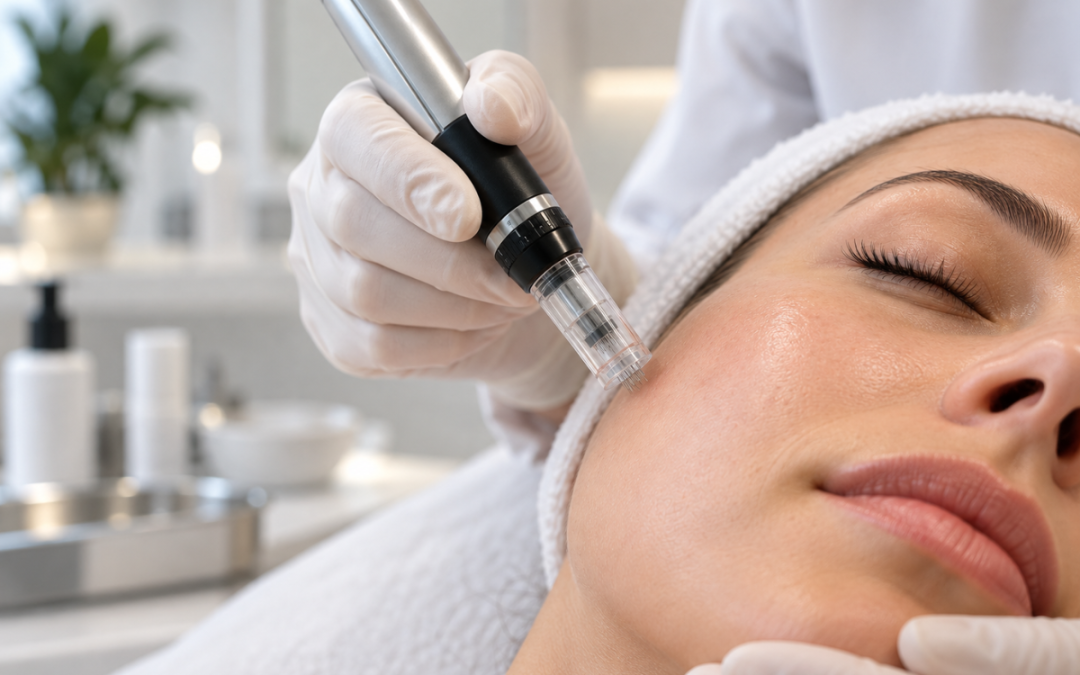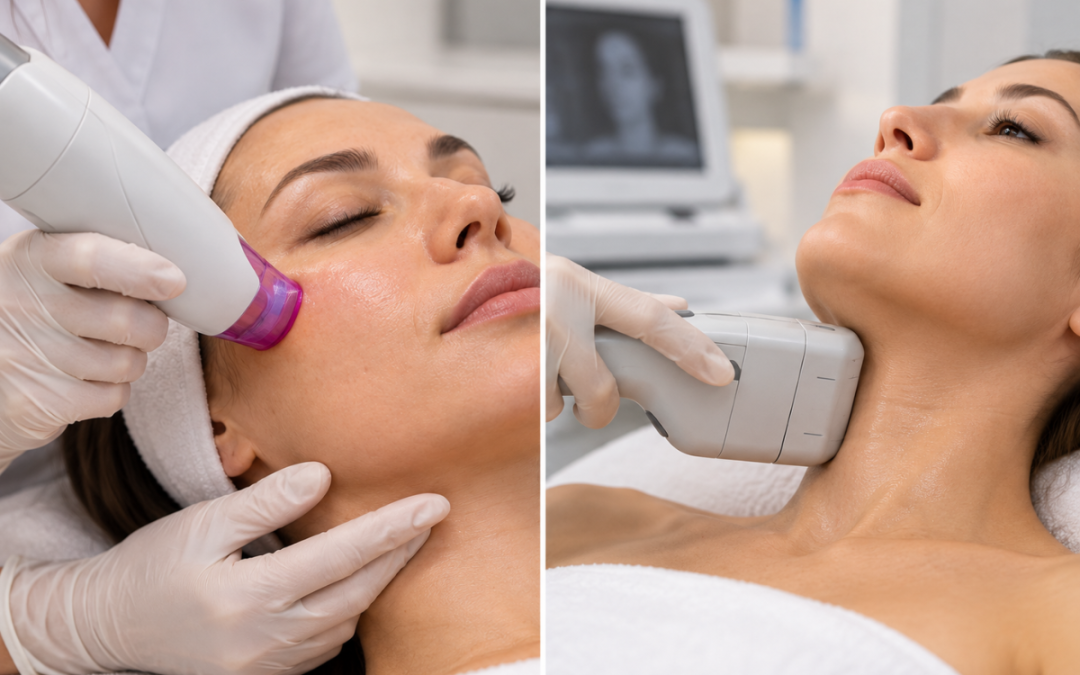

What experience should your provider have with skin tightening devices is one of the most important questions to answer before booking a treatment. The devices used in non-surgical skin tightening, including radiofrequency platforms like Thermage and ultrasound systems like Ultherapy, are sophisticated medical technologies. The results they produce depend not just on the device itself but on the judgement, training, and hands-on experience of the person operating it.
This guide walks through what to look for when choosing a provider. It covers what questions to ask and how to evaluate whether a provider is genuinely equipped to deliver your treatment well.
At Dr Tass Cosmetic & Skin Clinics in Melbourne, trained practitioners deliver skin tightening treatments within a medically supervised environment. We encourage every patient to ask exactly these kinds of questions before booking anywhere.
Key Takeaways
- Skin tightening devices are medical technologies. Provider experience, training, and medical oversight significantly affect both safety and results.
- Ask specifically about the practitioner’s hands-on experience with the exact device they will use for your treatment, not just general aesthetic experience.
- Medical supervision and AHPRA-registered oversight are the baseline standard you should expect for any energy-based skin treatment in Australia.
- A reputable provider will conduct a thorough skin assessment before any treatment and will give you honest, realistic expectations about outcomes.
- The quality of the technology and the skill of the operator together determine your result. Neither alone is sufficient.
Why Provider Experience Matters with Skin Tightening Devices
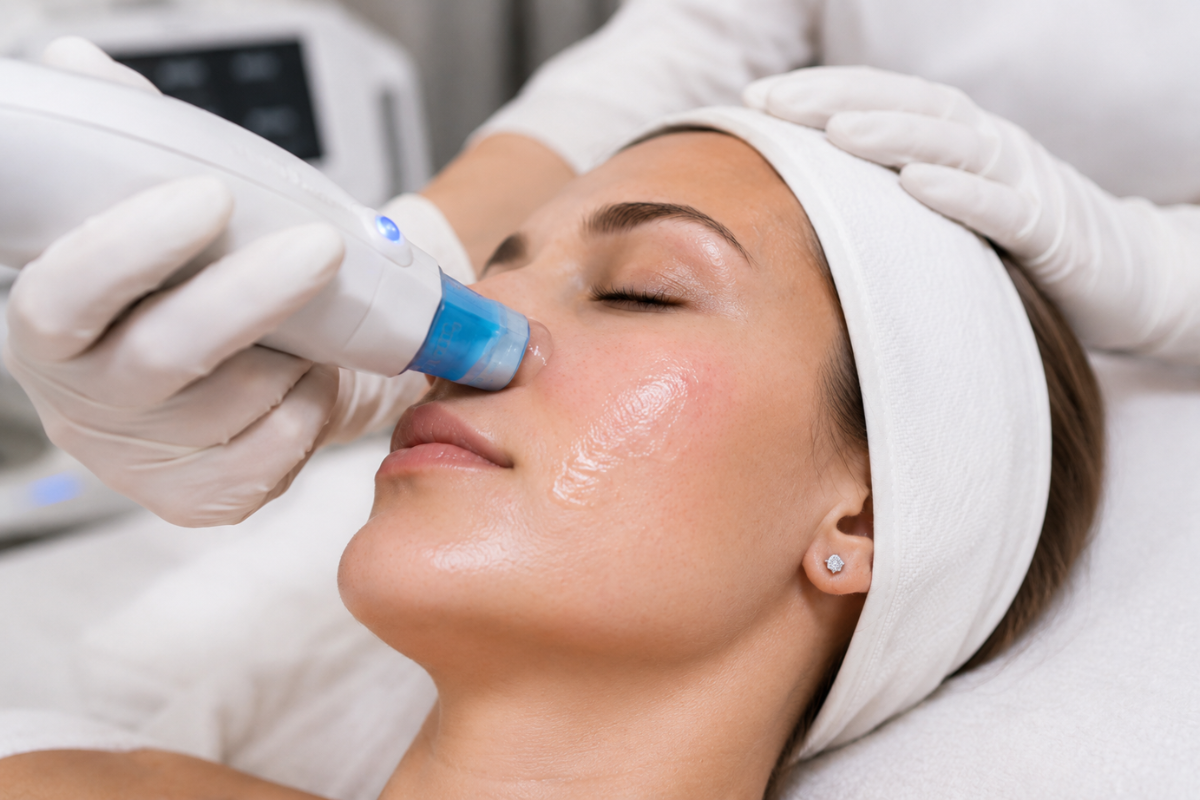
Non-surgical skin tightening works by delivering controlled energy, whether radiofrequency, ultrasound, or another modality, to the deeper layers of the skin and underlying tissue. The depth, intensity, and distribution of that energy delivery require calibration for each individual patient. An experienced provider reads your skin, adjusts the parameters accordingly, and applies the device in a way that maximises benefit while protecting surrounding tissue.
An inexperienced operator using the same device and the same settings on every patient is a different proposition entirely. Skin tightening treatments are not plug-and-play. The clinical judgement involved in delivering them well takes time and case volume to develop. This is why provider experience is not a minor consideration when choosing where to have your treatment.
The Role of Device-Specific Training
Each skin tightening platform has its own protocols, treatment patterns, and clinical guidelines. Thermage uses monopolar radiofrequency with specific tip systems and pass techniques that require training to apply correctly. Ultherapy relies on a real-time imaging component the practitioner must interpret during treatment. General cosmetic experience does not automatically transfer to competency on a specific device.
Ask whether your practitioner has completed formal training on the specific platform they will use for your treatment. Reputable device manufacturers require training completion before certifying practitioners. Ask whether the clinic can confirm this.
Case Volume and Ongoing Practice
Training gives a practitioner the foundations. Case volume builds the clinical instinct that separates average results from excellent ones. Ask specifically how many treatments of the kind you want the practitioner has performed. A provider with dozens of cases behind them has developed a feel for tissue response and patient variation that a newly trained operator has not.
Qualifications and Medical Oversight to Look For
The regulatory standard for energy-based skin treatments in Australia requires that practitioners work within appropriate clinical guidelines. The Australian Health Practitioner Regulation Agency (AHPRA) registers and regulates all medical practitioners, nurses, and allied health professionals in Australia. Confirming current AHPRA registration is the minimum baseline when assessing practitioner qualifications for skin tightening. Beyond that, look for the following.
Medical Supervision
Energy-based skin tightening treatments should involve direct performance or supervision by a qualified medical practitioner. This could mean a doctor or registered nurse operating the device directly. Alternatively, it could mean a trained therapist working within a medically supervised clinic where a doctor reviews the plan and remains available to advise. A salon operating energy devices without any medical oversight is a meaningfully different risk profile from a clinical environment with proper governance.
Experience with Your Specific Skin Concern
General experience with skin tightening devices is valuable. Experience with the specific concern you want to address, whether that is jawline laxity, neck skin, brow lifting, or abdominal tightening, adds further value. Providers who regularly treat your area of concern will have developed specific technique refinements and a realistic sense of what outcomes are achievable. Ask whether the practitioner has experience with your specific area and concern.
Commitment to Pre-Treatment Assessment
A provider worth trusting will not schedule a skin tightening treatment without a proper pre-treatment consultation. That assessment should cover your skin type and condition, your medical history, any contraindications, and your goals. It should also include an honest conversation about what the treatment can and cannot achieve for your skin. A clinic that moves you straight from enquiry to booking without assessment is skipping a step that exists for your safety.
Questions to Ask Your Provider Before Skin Tightening Treatment
Knowing what experience your provider should have with skin tightening devices is one thing. Being able to evaluate it in a consultation is another. The following questions give you a framework for doing exactly that. A provider with genuine expertise will welcome every one of them.
What device will you be using, and what is your specific training on it?
The answer should name the device clearly and confirm that the practitioner has completed manufacturer-certified or equivalent training. If the answer is vague or they cannot specify their training, that is worth noting. Ask also whether the device is TGA-approved for use in Australia.
How many treatments of this kind have you performed?
This is a straightforward question about case volume. There is no magic number that qualifies a provider, but the answer tells you whether this person treats regularly or is relatively new to it. Context matters too. A practitioner who has been performing Thermage for five years is a different proposition from one who completed training six months ago.
What results can I realistically expect for my skin?
A well-experienced provider will give you an honest, specific answer about what your skin can realistically achieve. They account for your stage of laxity, your age, and the areas you want to address. They do not make blanket promises. If you are told you will look ten years younger, ask for more specificity about what that actually means for your skin.
Can I see before-and-after images from your own patients?
Manufacturer marketing images show idealised results. Patient images from the clinic’s own practice show what this provider actually achieves with real patients. Ask to see images from people with a similar skin type and concern to yours. A clinic confident in its results will have a portfolio it is comfortable sharing.
Who is medically responsible for my treatment?
The answer should identify a named, AHPRA-registered medical practitioner. If a therapist or nurse is delivering the treatment, ask about the medical supervision structure in place. Know who to contact if you have concerns after treatment and whether that person has the clinical authority to manage any complications that arise.
Skin Tightening Devices: What Different Technologies Require
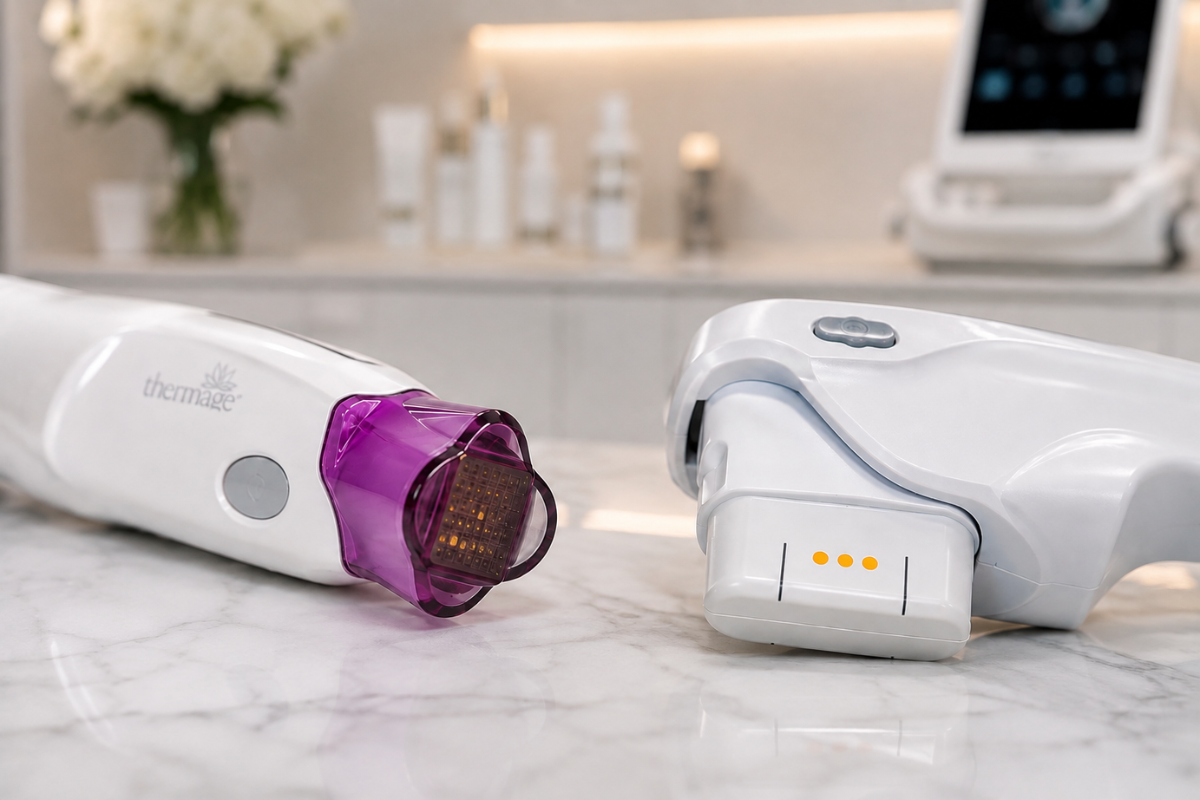
Different skin tightening technologies place different demands on the provider. Understanding these helps you ask more informed questions about the specific treatment you are considering.
Thermage: Radiofrequency Precision
Thermage uses monopolar radiofrequency energy to heat the deeper layers of the skin, stimulating collagen remodelling and skin tightening over time. A study confirms radiofrequency-based skin tightening as an effective non-surgical option, with outcomes closely related to correct device settings and technique. For Thermage treatment, the practitioner must understand tissue heating depth, tip selection, and pass patterns. Incorrect application risks under-treating the skin or causing discomfort without delivering the desired result.
Ultherapy: Ultrasound Imaging and Precision Depth
Ultherapy uses micro-focused ultrasound to deliver energy at precise depths within the skin and SMAS layer, the same structural plane targeted in surgical face lifting. It includes a real-time ultrasound imaging feature, allowing the practitioner to visualise tissue layers and confirm accurate energy delivery before treating. Delivering Ultherapy treatment means the practitioner must read and interpret sonographic images during the procedure. This is a specific skill that takes training and practice beyond general device operation.
Fraxel and Laser Platforms: Skin Type Assessment
Laser-based skin tightening and resurfacing treatments, including Fraxel laser, require the practitioner to assess the patient’s Fitzpatrick skin type accurately and customise settings accordingly. The risks of incorrect parameter selection, including hyperpigmentation or thermal injury, are higher in darker skin tones. Asking what qualifications your practitioner needs for medical-grade skin tightening with laser should include training on skin typing and parameter adjustment across diverse skin tones.
Thread Lifts: Anatomy Knowledge
For thread lift treatments, the relevant experience extends into anatomy. Thread placement requires precise knowledge of facial anatomy to achieve the desired lift and avoid nerves, vessels, and parotid structures. Medical training and anatomical knowledge directly affect both the safety and quality of the outcome.
Skin Tightening at Dr Tass Melbourne

At Dr Tass Cosmetic & Skin Clinics, our skin tightening treatments are delivered by trained practitioners working under medical supervision. Every treatment begins with a thorough consultation to assess your skin, discuss your goals, and confirm that the recommended treatment is appropriate and safe for your individual situation.
Our team has experience across a range of non-surgical skin tightening technologies. Every treatment begins with a thorough consultation to assess your skin and discuss your goals. We confirm that the recommended treatment is appropriate and safe for your individual situation before proceeding.
Melbourne Clinic Locations
Skin tightening Melbourne consultations and treatments are available at our Crown Spa Melbourne, Port Melbourne, and Ripponlea clinics.
Book a Skin Tightening Consultation at Dr Tass Melbourne
Choosing the right provider is the most important decision you make before a skin tightening treatment. At Dr Tass, we encourage every patient to ask hard questions, compare options, and make an informed choice. Book a consultation at Crown Spa Melbourne, Port Melbourne, or Ripponlea and let our team answer every question on your list.