
Pigmentation on the skin is one of the most common concerns among Australians, particularly those with fair or sun-sensitive skin. If you notice small, flat spots across your nose and cheeks that deepen in summer, you are likely dealing with freckles. Exploring your options starts with understanding what they are, what causes them, and which treatments are clinically appropriate for your skin.
At Dr Tass Cosmetic & Skin Clinics in Melbourne, our team regularly assesses pigmentation concerns of this kind. This guide covers the causes, types, and treatment options available, from clinical procedures to everyday skincare habits.
Key Takeaways
- Freckles are flat spots of concentrated melanin, most common in fair-skinned individuals with high UV exposure.
- There are two main types: ephelides (true freckles) and solar lentigines (sun spots), each responding differently to treatment.
- Laser freckle removal, including Fraxel and Clear + Brilliant, is one of the most effective clinical options available.
- Sun protection is the most important step for preventing freckles from returning after treatment.
- Freckle treatment in Melbourne is available at Dr Tass Clinics following a personalised skin assessment.
Understanding Freckles
Freckles are small, flat spots that form when melanin, the pigment responsible for skin colour, concentrates in certain areas. They are most common in people with fair or light skin. Healthdirect Australia notes that these spots are harmless but can indicate significant cumulative UV exposure over time.
Freckles on the face are the most common presentation, though they can also appear on the shoulders, arms, and chest. They tend to appear in childhood and adolescence and may fade with age, particularly in those who reduce sun exposure.
Are Freckles the Same as Sun Spots?
Freckles and sun spots are often confused, but they are distinct. Freckles tend to be smaller, lighter, and more evenly distributed. They often fade during winter and return with sun exposure. Sun spots, also called solar lentigines, are larger, more defined, and usually permanent. Both involve pigmentation, but they respond differently to treatment. Understanding which type you have is the first step in planning the right approach.
What Triggers Freckling?

So what causes freckles? They form when UV radiation triggers melanocytes, the cells responsible for melanin production, to generate more pigment in specific areas. People with fair skin are more sensitive to this stimulation. Our detailed guide to what causes pigmentation covers the full range of contributing factors across different pigmentation types.
Genetics
Genetics play a significant role in whether you develop freckles. The MC1R gene, which influences melanin production and skin tone, is strongly associated with freckling. If your parents or grandparents had them, you are more likely to develop pigmentation in the same way. Genetic predisposition does not make freckling inevitable, but it does mean your skin may be more responsive to UV stimulation.
UV Exposure
UV exposure is the primary environmental trigger. Each time UV rays reach the skin, melanocytes respond by producing more melanin. Over time, repeated stimulation leads to clusters of pigment in areas that receive the most sun. The Cancer Council Australia recommends daily sun protection as the most effective way to prevent UV-related skin changes, including freckling and pigmentation.
Freckles Sun Damage
Not all freckles indicate sun damage, but persistent or deepening spots can signal significant accumulated UV exposure. This is particularly relevant in Australia, where UV levels are among the highest in the world. If you are wondering how to get rid of freckles, or if your spots have changed in shape, colour, or texture, book a professional skin assessment as the appropriate next step.
Freckles Removal Treatment Options
A range of clinically supported options are available for pigmentation removal. Each has different mechanisms, downtime, and suitability depending on your skin type and concern. At Dr Tass, all treatment plans follow a full skin assessment and consultation. The options below are the most relevant for our Melbourne clinics.
Fraxel Laser
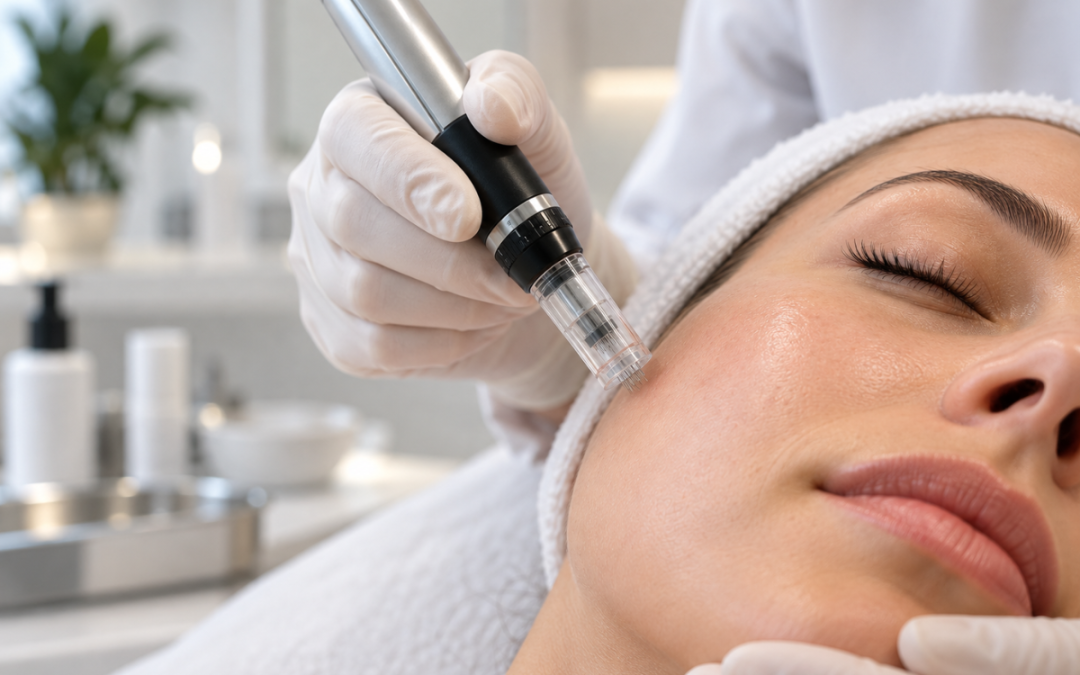
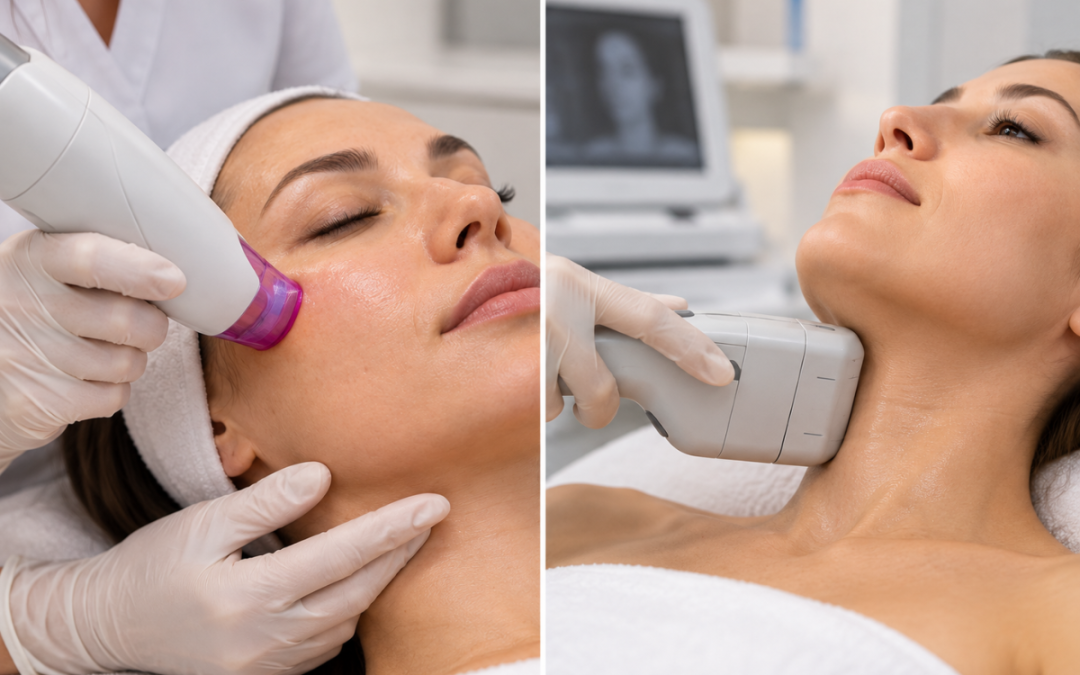
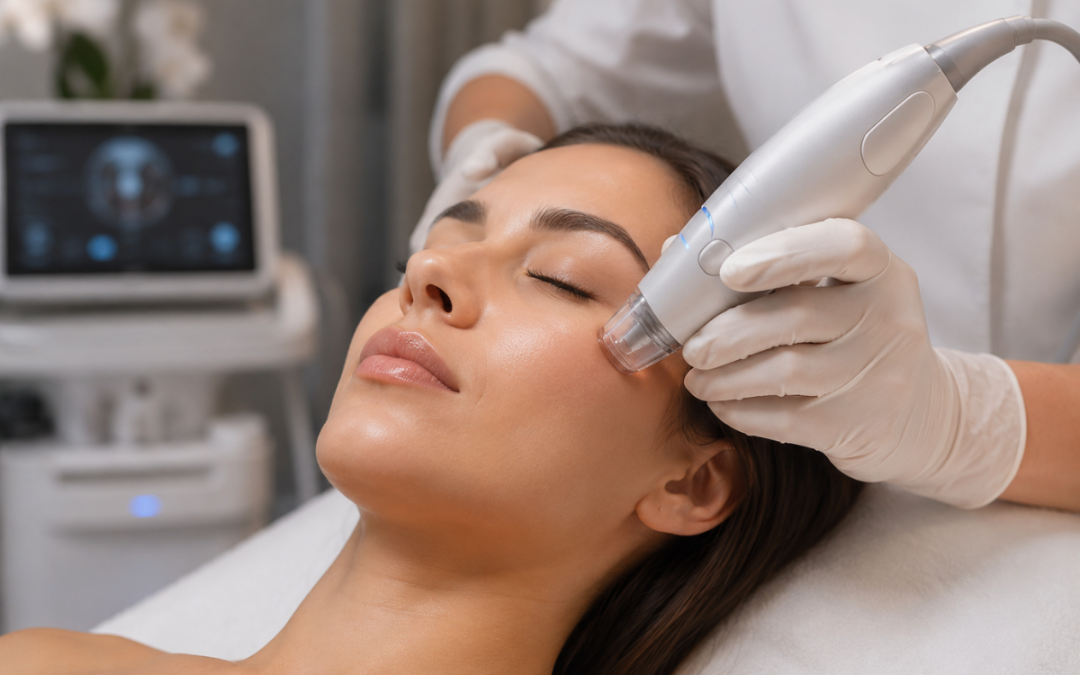
Fraxel is one of the most effective laser treatments for pigmentation removal. It uses fractional laser energy to target melanin deposits in the skin, breaking them down and stimulating fresh cell turnover from below. Research published in the Journal of Cosmetic Dermatology confirms fractional laser as an effective option for facial pigmentation, including solar lentigines and surface freckling. The Fraxel laser treatment at Dr Tass uses the dual 1550 nm and 1927 nm wavelengths to address both surface pigmentation and deeper textural concerns.
Clear + Brilliant Laser
For patients who want a gentler entry point into laser pigmentation treatment, the Clear + Brilliant laser offers a non-invasive fractional option with minimal downtime. It works by creating microscopic treatment zones in the skin to improve tone, texture, and pigmentation. Clear + Brilliant is particularly well suited for early or mild freckling and for those maintaining results between more intensive treatments.
Excel V Laser
The Excel V laser targets pigmentation with a 532 nm wavelength that selectively breaks down melanin. It is well suited for treating defined pigmented spots, including sun spots and surface freckling, with precision that leaves surrounding skin intact. Your practitioner will confirm suitability based on your skin tone and pigmentation type.
Skin Peels
Carefully selected skin peels using acids such as lactic acid can support surface pigmentation reduction and overall skin brightening. Peels work by removing dead skin cells and encouraging fresher, more evenly pigmented skin to emerge. They are often used as a complementary treatment alongside laser procedures and are not suitable for all skin types.
Hydradermabrasion and Dermabrasion
Mechanical exfoliation treatments, including dermabrasion, remove the outermost skin layers to reduce surface pigmentation and improve overall tone. These treatments work best for mild or superficial freckling. Suitability varies by skin type and pigmentation depth, so your practitioner will confirm appropriateness at consultation.
At-Home Care and Prevention
Clinical treatments deliver the most significant results, but consistent at-home habits maintain them. These steps also help those exploring how to remove freckles gradually through lifestyle changes before pursuing clinical options. They support long-term outcomes and help prevent new pigmentation from forming.
Daily Sun Protection
SPF is the single most important step in both preventing and managing freckles. UV exposure is the primary driver of pigmentation, so protecting the skin from UV daily reduces further stimulation of melanocytes. Use a broad-spectrum mineral SPF 50 every morning and reapply if you spend time outdoors. This applies year-round, not just in summer.
Vitamin C Serum
Vitamin C is a clinically supported ingredient for pigmentation management. It works by inhibiting tyrosinase, an enzyme involved in melanin production, and helps brighten existing pigmentation over time. The Dr Tass skincare range includes a Vitamin C Plus formulation designed to support skin tone and brightness. Vitamin C works best alongside consistent sun protection.
Avoid Peak UV Hours
In Australia, UV radiation is typically strongest between 10 am and 3 pm. Avoiding direct sun during these hours, seeking shade, and wearing a wide-brimmed hat and protective clothing all reduce ongoing pigmentation stimulation. These habits support every clinical treatment you invest in.
What to Expect from Pigmentation Treatment at Dr Tass
Every skin assessment at Dr Tass begins with a detailed consultation to understand your pigmentation, skin type, and goals. From there, your practitioner will outline the most appropriate plan and explain what to expect at each stage. Your practitioner will provide clear pricing before you decide to proceed.
Results from pigmentation treatments vary between individuals. Factors including skin type, depth of pigmentation, and commitment to sun protection all influence the outcome. Most patients require a course of treatment rather than a single session. Maintenance is an ongoing part of managing pigmentation long-term.
Freckle Treatment in Melbourne Locations
Freckle treatment in Melbourne is available across all three Dr Tass clinic locations: Crown Spa Melbourne, Port Melbourne, and Ripponlea. Each clinic has qualified dermal therapists on hand, supported by medical practitioners who oversee treatment planning.
Book Your Skin Assessment in Melbourne
If you are ready to explore your options for freckle removal, our team at Dr Tass is here to help. Book a complimentary skin consultation at Crown Spa Melbourne, Port Melbourne, or Ripponlea to find the right plan for your skin.