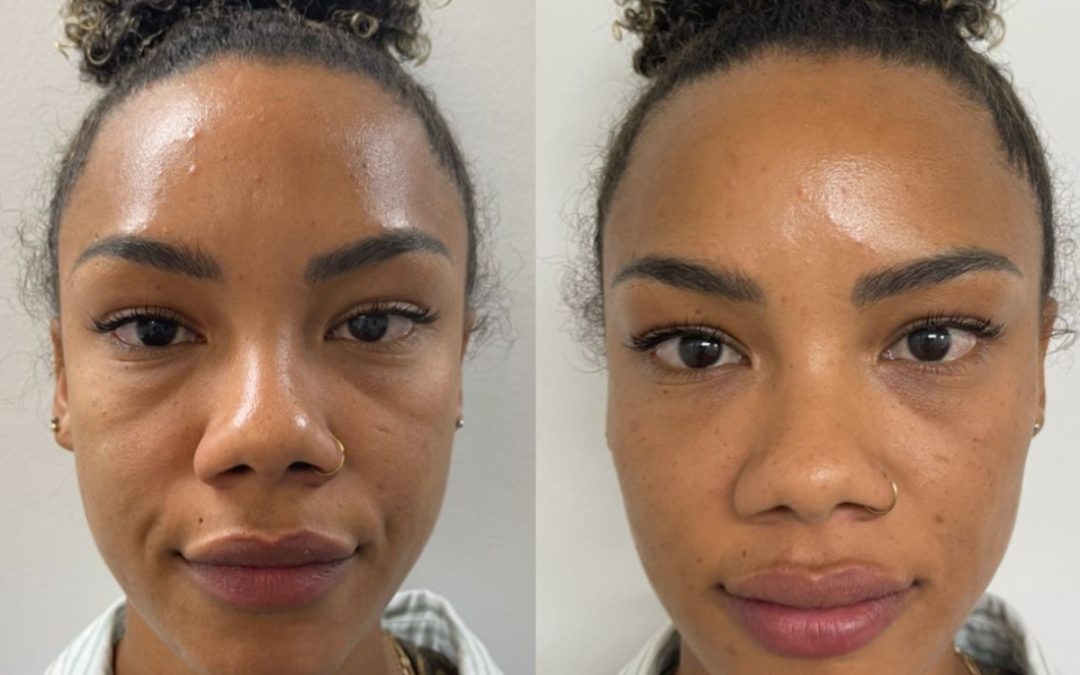

Skin ageing is not a single event. It is a continuous biological process that begins earlier than most people realise and accelerates at predictable points across a lifetime. Understanding how skin ages, and when each change typically occurs, helps you take meaningful action at the right time.
At Dr Tass Cosmetic & Skin Clinics in Melbourne, the starting point for every skin conversation is understanding what is actually happening in your skin. This guide walks through the decade-by-decade changes, the biology behind them, and what each stage means for your skin health.
Key Takeaways
- Skin ageing begins in your mid-twenties with the first measurable decline in collagen production. Most people do not notice visible change until their early thirties.
- The two main drivers of skin ageing are intrinsic ageing (your genetic timeline) and extrinsic ageing (sun exposure, lifestyle, and environment). Sun damage accounts for around 80 per cent of visible facial ageing.
- Each decade brings a distinct shift. The thirties bring fine lines and slower cell turnover; the forties bring volume loss and deeper lines; the fifties bring significant laxity and skin thinning.
- Many of the changes that appear in the forties and fifties are the long-term result of damage accumulated in the twenties and thirties. Early habits and early treatment both compound over time.
- Non-surgical treatments can slow, reverse, and manage many of these changes at every stage. The most effective approach is one that matches the treatment to the decade
How Does Skin Age? The Biology Behind It
Skin ageing is driven by two parallel processes that work simultaneously throughout your life. Research confirms that intrinsic ageing is governed by genetics and the passage of time, while extrinsic ageing is driven by environmental exposure, primarily ultraviolet radiation.
Intrinsic ageing progresses at a rate your DNA largely determines. From your mid-twenties, collagen production begins to decline by roughly one per cent per year, elastin fibres become less resilient, and the rate of cell turnover slows. These changes are gradual and largely invisible for years before they become apparent on the surface.
Extrinsic ageing is largely preventable and largely responsible for the visible differences you notice between people of the same age. UV radiation damages collagen, triggers pigmentation, and breaks down the skin’s structural proteins at a rate far exceeding natural decline. This is why two people born in the same year can have skin that looks decades apart.
The Role of Collagen and Elastin
Collagen provides the skin’s structural support, keeping it firm and plump. Elastin allows the skin to stretch and return to its original shape. Both are produced in the dermis, the middle layer of the skin, and both decline with age.
When collagen production outpaces its breakdown, skin is plump and resilient. When the balance tips, the dermis thins, fine lines form, and the skin begins to lose the volume and definition it once held naturally.
What Is Photoageing?
Photoageing is the term for skin changes caused by cumulative UV exposure over a lifetime. It includes pigmentation, fine lines, rough texture, broken capillaries, and deeper wrinkles. In Australia, where UV intensity is among the highest in the world, photoageing is a significant contributor to premature skin ageing.
Many of the skin changes people associate with normal ageing, particularly in their forties and fifties, are in fact the accumulated result of sun exposure in their twenties and thirties. This is why sun protection remains the single most effective anti-ageing intervention at any age.
Skin in Your Twenties
For most people, the twenties are the peak of skin function. Cell turnover is still rapid, collagen and elastin production is high, and the skin recovers quickly from stress. This is when skin tends to look most naturally luminous without significant intervention.
What most people do not realise is that the decline in collagen production starts at around 25. The changes are too small to see, but they are measurable. The habits formed in your twenties, particularly around sun protection and skincare, determine a significant portion of how your skin looks in your forties.
What to Watch For in Your Twenties
Fine expression lines may appear in areas of repeated movement, such as around the eyes and between the brows. These are not yet structural. They reflect the natural movement of the face and tend to disappear when the face is relaxed.
Pigmentation from past sun exposure may begin to surface. This is often the first visible sign of photoageing, appearing as faint freckling or uneven tone in sun-exposed areas. Most patients in their twenties are not yet thinking about skin ageing, but this is the decade when the foundation is either built or lost.
What Supports the Skin in Your Twenties
A consistent SPF, a vitamin C serum, and a retinoid used in the evening form the most evidence-based preventive routine for this decade. These three products support collagen synthesis, protect against UV damage, and accelerate cell turnover.
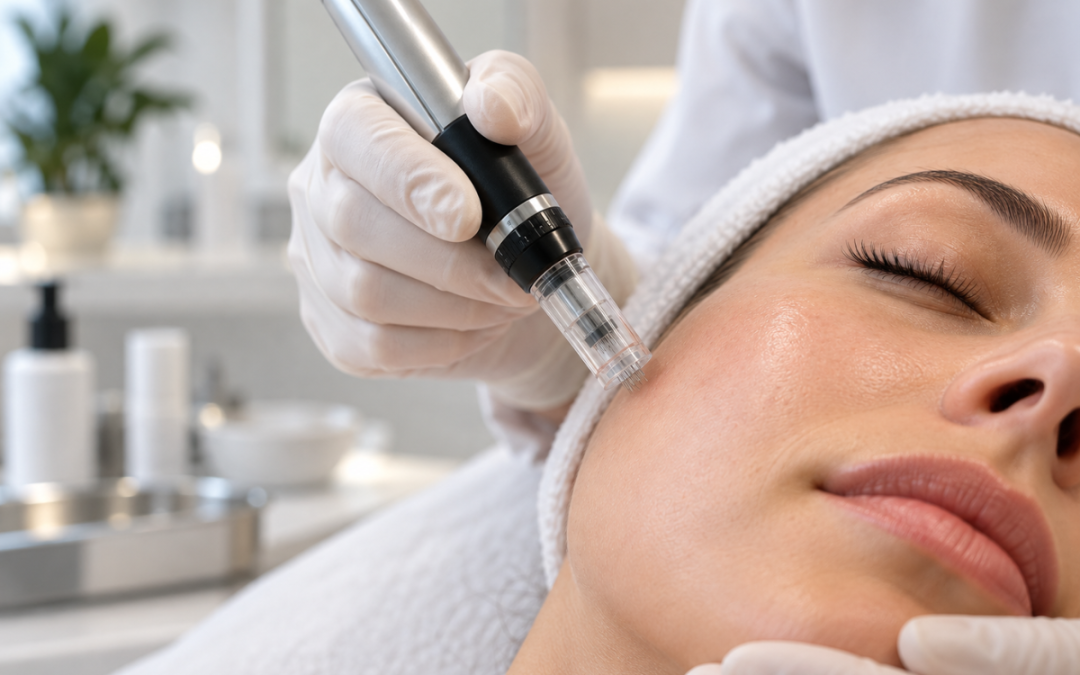
For those who want clinical support, a course of skin needling or a light resurfacing treatment can maintain skin quality and keep cell turnover moving. The goal at this stage is preservation, not correction.
Skin in Your Thirties
The thirties are when skin ageing becomes visible to most people for the first time. Collagen production has now been declining for around a decade, and the cumulative effect begins to show in the texture, firmness, and behaviour of the skin. Lines that disappeared when the face was relaxed in your twenties may now stay.
Cell turnover slows noticeably in this decade, meaning the skin takes longer to recover from stress, sun exposure, and breakouts. Dullness becomes more common, pigmentation becomes more defined, and the skin begins to lose some of the natural hydration it held effortlessly in earlier years.
What to Watch For in Your Thirties
Fine lines around the eyes, mouth, and forehead become more established. Volume loss in the mid-face may begin, particularly in those with a naturally slender face structure. The skin under the eyes tends to look thinner and more hollow.
Pigmentation may cluster into more defined patches. Uneven skin tone becomes harder to cover and easier to notice in natural light. Many patients first visit a cosmetic clinic in their early-to-mid thirties, when these changes become difficult to address with skincare alone.
What Supports the Skin in Your Thirties
This is the decade where clinical treatments start to deliver their clearest return. A course of skin needling stimulates new collagen and improves texture. Skin boosters restore hydration at the dermal level. For dynamic lines, a conservative approach to anti-wrinkle treatment can prevent expression lines from becoming structural.
The goal in your thirties is to slow the rate of change and address early concerns before they require more significant correction. Prevention remains cheaper and more effective than restoration.
Skin in Your Forties
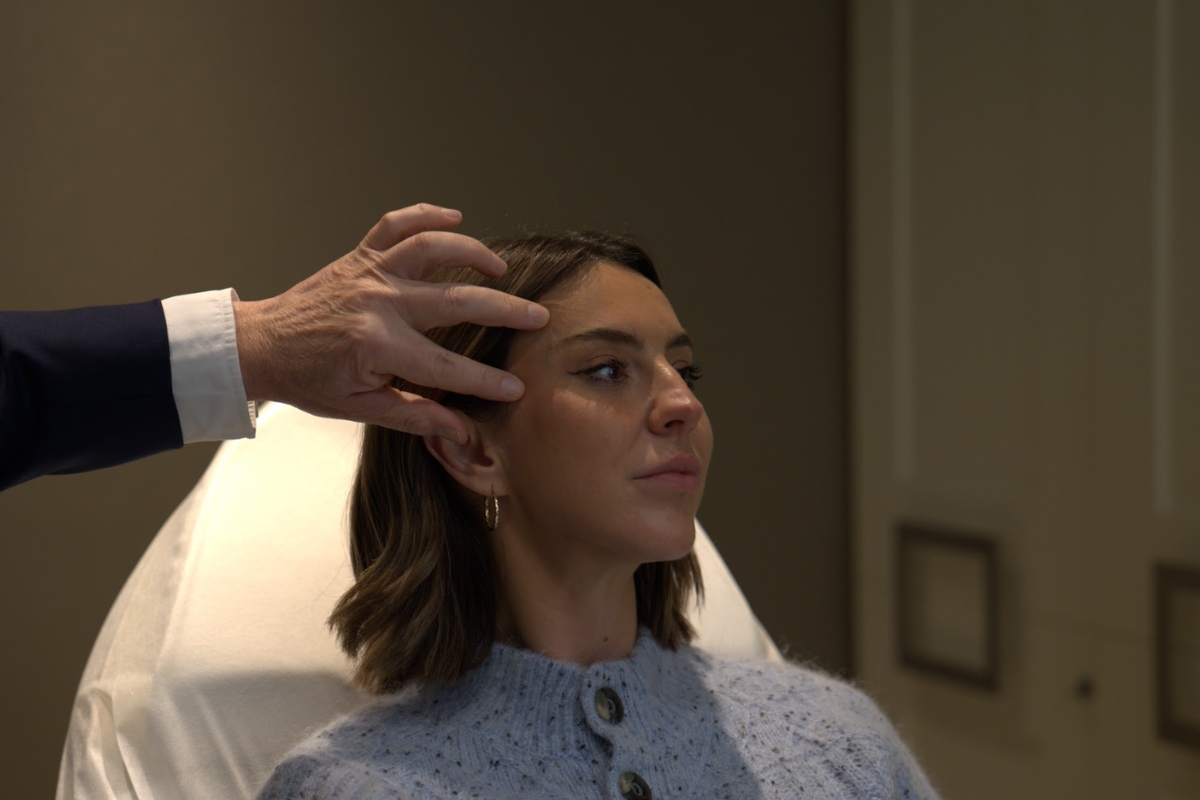
The forties bring more significant structural change. Volume loss accelerates, and the face begins to change shape in ways that go beyond lines. The cheeks lose fullness, the temples hollow, the jaw softens, and the area around the mouth and nasolabial folds deepens.
Skin laxity also becomes apparent in this decade. The skin along the jaw and neck begins to loosen as collagen and elastin can no longer maintain the same structural support.
In women, perimenopause and the hormonal shifts associated with it can accelerate these changes significantly. Oestrogen plays a direct role in collagen synthesis, and as levels drop, the skin responds.
What to Watch For in Your Forties
Volume loss in the cheeks, temples, and under-eye area becomes noticeable. The face takes on a more angular or hollow appearance, particularly in slimmer individuals, and jowling may begin along the lower face and jaw.
Deeper lines form around the mouth and forehead, and pigmentation from earlier sun damage becomes more pronounced. Skin texture may roughen, particularly in those with significant UV history. Many of these changes arrive faster than expected.
What Supports the Skin in Your Forties
Volume restoration becomes a central consideration in the forties. Dermal filler can address hollowing in the cheeks and temples and restore facial balance. For skin quality and pigmentation, Fraxel laser delivers significant improvement in texture and collagen density.
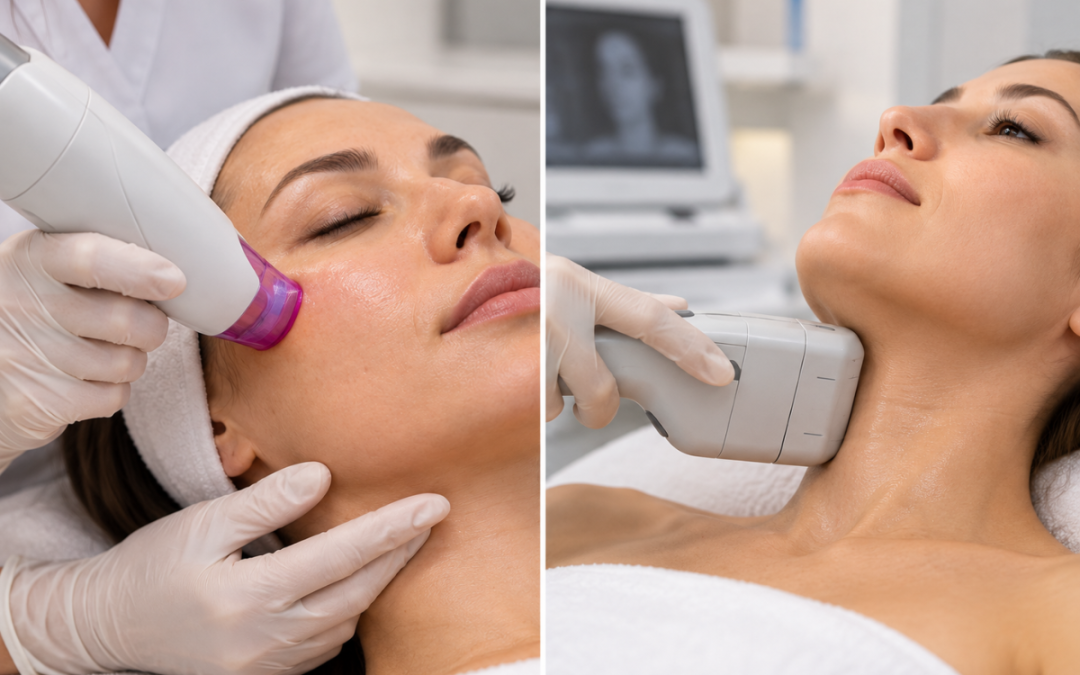
For early laxity, Thermage delivers radiofrequency energy to the deep collagen layer, stimulating remodelling and tightening the skin over two to six months. The forties are when a multi-treatment approach, combining skin quality, volume, and lifting, often produces the best result.
Skin in Your Fifties and Beyond
By the fifties, the cumulative effects of intrinsic and extrinsic ageing are both well established. Skin thinning becomes more noticeable. The dermis, which was once several millimetres thick, has thinned considerably, and the skin may feel more fragile, less resilient, and slower to recover.
Laxity along the jaw, neck, and brow becomes more significant. The brow descends, the midface drops, and the definition between the jaw and neck softens. Post-menopausal hormonal changes continue to affect collagen synthesis, and dryness becomes a more persistent concern as sebaceous gland activity decreases.
What to Watch For in Your Fifties and Beyond
Significant facial descent becomes apparent: jowling, brow ptosis, and a gradual loss of the jawline definition that characterised earlier decades. Skin feels thinner and more transparent, and fine blood vessels may become more visible.
Deep lines form around the mouth, forehead, and eyes, and pigmentation shifts to grey or brown patches. Dryness and a general loss of natural glow reflect the accumulated history of sun, stress, and environmental exposure.
What Supports the Skin in Your Fifties and Beyond
This decade requires the most comprehensive approach. Addressing laxity, volume, texture, and pigmentation typically means combining treatments rather than relying on a single modality. Ulthera and Thermage address the deeper structural layers, while Fraxel and skin needling improve the surface quality.
Volume restoration with dermal filler remains relevant throughout this decade, though the approach shifts towards restoring facial balance and structure rather than simply adding fullness. A thorough assessment at consultation is the most reliable starting point for determining which combination is appropriate.
What Drives How Your Skin Ages
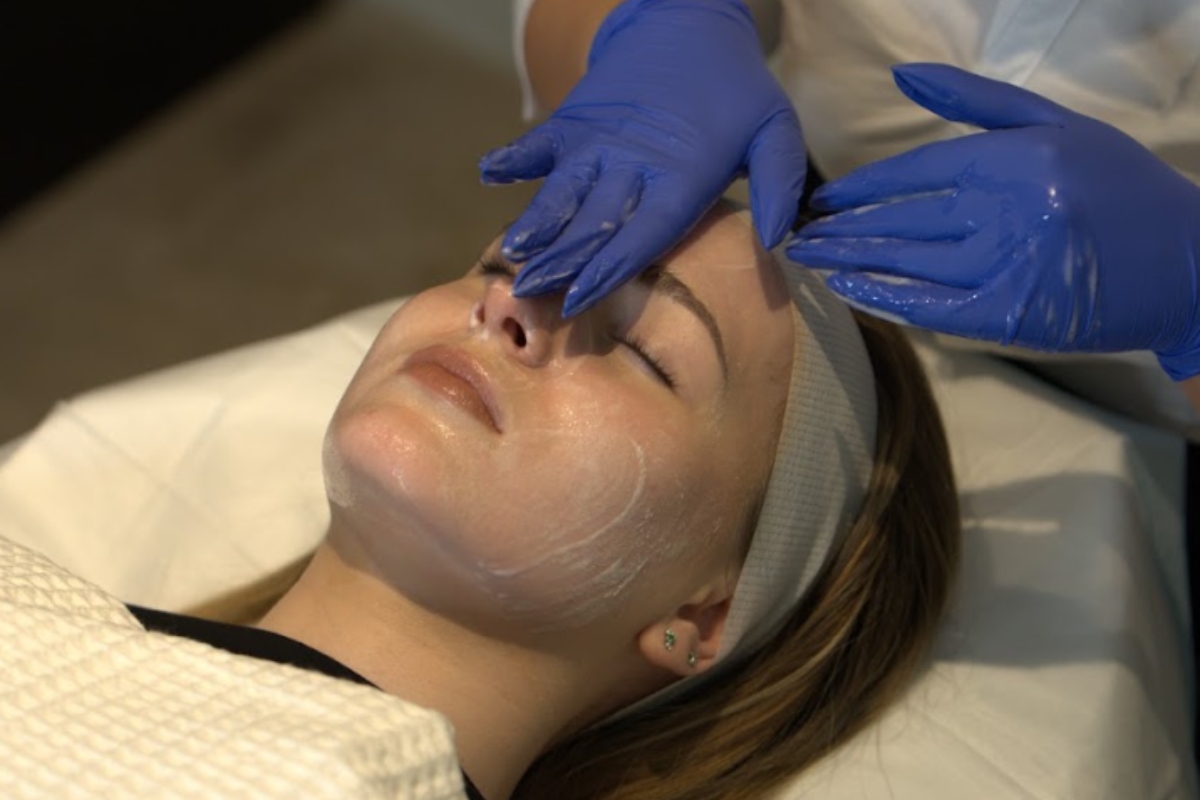
Skin ages in two ways simultaneously: through your genetics, and through the choices made across a lifetime. The genetic component sets the pace and pattern, while the environmental component determines how much faster or slower you age relative to that baseline.
The most controllable factors are also the most impactful ones. Daily SPF use, consistent retinoid use, not smoking, adequate hydration, and limiting unprotected sun exposure collectively account for the majority of the difference between accelerated and well-paced ageing.
These are not complicated interventions. What separates effective skin ageing from accelerated ageing is usually the consistency with which they are applied over years, not the complexity of what is in them.
What Cannot Be Changed
Your genetic baseline, the natural rate of collagen decline, and the hormonal shifts associated with perimenopause and menopause are not directly controllable. Neither is the degree to which photoageing has already accumulated from earlier in life. These are facts of the ageing process, not failures.
Understanding what is driving a particular change helps determine the most appropriate treatment. A line caused by repeated muscle movement responds differently from one caused by volume loss or skin thinning. The right assessment distinguishes between them.
When to Start Treatment
The most effective time to start supporting your skin clinically is before significant change occurs, not after. Treating early is simpler, less expensive, and produces better long-term outcomes than waiting until restoration is required.
At Dr Tass Cosmetic & Skin Clinics, the team takes a long-term view of skin health. Whether you are in your late twenties maintaining what you have, or in your fifties addressing accumulated change, the starting point is always a thorough, honest assessment.
Understand Your Skin at Every Stage
How your skin ages is different for everyone, but the conversation is always the same: an honest assessment of where your skin is now and what is driving each change. At Dr Tass Cosmetic & Skin Clinics, the team will explain what is happening and outline the most appropriate options for your goals.